
Where to Eat in Zadar: Local Food Guide
Discover Zadar’s market culture, Adriatic seafood, traditional konobas and regional drinks, with clear advice on what to order and where each meal fits.
If you are deciding where to eat in Zadar, look beyond a simple list of restaurants. This is a city shaped by the Adriatic, nearby islands and Dalmatian farming traditions. The best meals often begin with market produce, fresh fish, good olive oil and a table in a traditional konoba.
Zadar’s Old Town is the easiest base for visitors, with seafood restaurants, relaxed wine bars and gelato stops within its stone lanes. However, the local food story also leads to the market, the fish hall and regional products such as Pag cheese, Nin salt and maraschino liqueur.
Continue planning with Best Things to Do in Zadar and Planning a Visit to Zadar: Places, Experiences and Useful Context.
What to eat first in Zadar
Seafood is the obvious choice in this coastal city. Look for grilled Adriatic fish, simply cooked over charcoal or a hot grill, then dressed with olive oil, garlic and parsley. The appeal lies in restraint: a good piece of fish needs little more than careful cooking and seasonal vegetables.
Ask what has arrived that day and consider local species rather than choosing only familiar names. Many menus also feature squid, either grilled or fried, and octopus salad dressed with olive oil, vinegar and herbs. These are excellent light choices for lunch, particularly in warm weather.
Slow-cooked Dalmatian classics
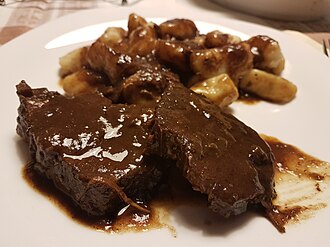
For a more substantial dinner, seek out the dishes that reveal Dalmatia’s inland side. Pašticada is a rich beef stew, slowly braised with wine, dried fruit and spices. It is often served with gnocchi and has a sweet-savoury depth that feels especially suited to a long evening meal.
Dalmatian lamb is another regional favourite. It may appear roasted, grilled or cooked beneath a metal bell. That bell-cooked method is called peka, and it creates tender meat and potatoes with a gently smoky, concentrated flavour.
Peka is rarely a spur-of-the-moment order. It normally needs to be arranged in advance because of its slow preparation. When reserving a table at a konoba, ask whether it is available and whether lamb, veal, octopus or another ingredient is being prepared.
If you spot brudet, consider trying it. This Adriatic fish stew varies from kitchen to kitchen, often combining several fish in a tomato-based sauce. It is traditionally served with polenta, which absorbs the sauce beautifully.
Zadar’s essential local products
Several foods give Zadar a strong regional identity. They also make easy gifts or picnic additions, especially when purchased from specialist food stalls or reputable shops.
Pag cheese: the indispensable starter
Paški sir, or Pag cheese, is one of Croatia’s great cheeses. It comes from the island of Pag, north of Zadar, where sheep graze on sparse, salt-swept pastures. The cheese is firm, rich and savoury, with a distinctive salty edge.
Order it as an appetizer with cured ham, olives and bread, or buy a small piece for a picnic. A glass of local white wine works well beside it. Its flavour is powerful, so a little goes a long way.
Olive oil and Nin salt
Dalmatian extra-virgin olive oil is central to the region’s cooking. You will taste it on grilled fish, beans, vegetables and simple bread. Oils differ widely according to olive variety and harvest, but expect herbal, peppery or softly buttery notes.
An olive oil tasting can help you understand why such simple dishes work so well. If buying a bottle to take home, choose one that is sealed and clearly labelled.
Nearby Nin has a long salt-making heritage, and Nin salt is a small but meaningful local food souvenir. Use it as a finishing salt on tomatoes, grilled vegetables or fish. It is an easy way to bring a taste of the Zadar region back to your kitchen.
Market breakfast and picnic supplies
Zadar’s food culture is at its most immediate in the morning market. Zadar Market is where local life becomes visible through piles of seasonal fruit and vegetables, herbs, olives, cheeses and cured meats. It is a better introduction to Dalmatian ingredients than any generic souvenir display.
Build a picnic from ripe tomatoes, fresh bread, Pag cheese, olives and fruit. Add cured meat if you want something more filling. This is a smart option for budget-conscious travellers, and it also makes a satisfying lunch before exploring the waterfront.
Understanding the fish market
The nearby Zadar Fish Market gives a close view of the Adriatic catch that informs local menus. Fish are commonly sold whole, which is a useful reminder that the best seafood is often cooked with minimal intervention.
Even if you are not cooking, take a look before choosing lunch or dinner. It will give you confidence to ask a restaurant about local fish and seasonal catch. A whole grilled fish for the table is one of the most memorable meals to share in Zadar.
When ordering fish, ask how it is prepared and whether the listed price is calculated by weight. This simple question avoids surprises and encourages a clearer conversation about what is being served.
Old Town dining and the traditional konoba
Zadar Old Town is the natural dining base for most visitors. Its compact streets make it easy to move from an aperitif to dinner and then on to dessert by the waterfront. You will find seafood-focused menus, casual cafés and wine bars close together.
Not every central menu represents the same level of regional cooking. Rather than looking for a “best” label, scan for a short menu, seasonal ingredients and dishes that make sense for the coast: fish, squid, octopus, local vegetables and quality olive oil.
Why a konoba is worth seeking out
A konoba is a traditional Dalmatian tavern, usually more rustic in mood than a waterfront restaurant. It is the right setting for pašticada, lamb, peka and other slower dishes that reward an unhurried dinner.
Konobas often suit family-style dining. Share appetizers of cheese, prosciutto and olives, then order a larger main dish for the table. This approach lets everyone taste more of the local kitchen without turning the meal into a formal tasting menu.
For dinner in the Old Town, booking ahead is sensible, particularly if you want peka or a table at a popular time. A waterfront restaurant can be ideal for grilled fish and the evening atmosphere, while a quieter konoba often suits a deeper dive into traditional cooking.
How to order seafood well
Good seafood ordering in Zadar is mostly about flexibility. Ask what fish is local and available, then choose a preparation that respects it. Grilling is often the clearest option, while baked or oven-roasted fish can be excellent for a shared meal.
- For a quick lunch: grilled squid, octopus salad or small fried fish with a salad.
- For a classic dinner: whole grilled fish with blitva, the Dalmatian side dish of Swiss chard and potatoes.
- For a group meal: order one or two whole fish to share, plus vegetables and bread.
- For something hearty: choose brudet with polenta or arrange peka in advance.
Seasonality matters. The catch changes, and the most rewarding choice is often the fish a restaurant recommends that day. Avoid assuming that every seafood dish must be elaborate; in Zadar, simplicity is usually the point.
Maraschino, wine and sweet finishes
Zadar has a special connection to Maraschino, the clear cherry liqueur associated with the local Marasca cherry and the city’s distilling heritage. Its flavour is more aromatic and dry than many visitors expect. Try it as a small digestif after dinner or in a carefully made cocktail.
For wine, a crisp white such as Pošip is a natural choice with grilled fish, squid and Pag cheese. If you are eating lamb, pašticada or richer meat dishes, a fuller red such as Plavac Mali can work well.
Rakija is another common post-meal drink. This potent, grappa-style spirit may be made from fruit or infused with herbs. Homemade versions vary greatly in strength and character, so treat it as a small, slow sip rather than a casual drink.
Finish with gelato while walking through the Old Town, or try fritule when you see these small, doughnut-like fritters. They are often flavoured with citrus, raisins or a splash of liqueur, and they make a pleasingly informal dessert.
A simple way to eat well in Zadar
Plan one market visit, one seafood-focused meal and one relaxed konoba dinner. That combination covers the essential flavours of Zadar without chasing a rigid restaurant ranking. Buy Pag cheese and Nin salt for later, taste olive oil with bread, and leave room for a measured glass of Maraschino.
The city’s best food is tied to its setting: Adriatic fish, island cheese, salt, cherries and the unhurried rhythm of a shared table. Eat with the season, ask a few direct questions, and Zadar will feel far more personal than any fixed list of addresses.
Tours & experiences for Zadar
Popular experiences with current pricing and traveler ratings.
 Free cancellation
Panorama guided Zadar Eco Tuk Tuk tour
 Free cancellation
From Zadar Plitvice Lakes Guided Day Tour with Tickets
 Free cancellation
Zadar: 3 Islands Luxury Boat Tour with Aperol Spritz & Snorkeling
 Free cancellation
Traditional Croatian Bread Making Workshop in Zadar
 Free cancellation
Private Boat Tour To Pakleni Islands and Red Rocks
 Free cancellation
Zadar: Traditional Boat Tour with Unlimited Wine and 3 Stops
ToursToBalkans may earn a commission when you book through our partner links.


