Slovenia Travel Guide – Essential Information for Visitors
Slovenia is one of Europe’s most compact yet diverse destinations, perfectly positioned between the Alps, the Adriatic Sea, and Central Europe.
Known for its pristine nature, charming cities, alpine lakes, and strong sustainability focus, Slovenia offers a high-quality travel experience
with short distances and excellent infrastructure.
Essential Country Facts
- Official Name: Republic of Slovenia
- Capital: Ljubljana
- Currency: Euro (€)
- Time Zone: Central European Time (GMT +1)
- Official Language: Slovenian
- Main Cities: Ljubljana, Maribor, Koper, Celje, Kranj
- Main Airport: Ljubljana Jože Pučnik Airport (LJU)
- UNESCO Sites: Škocjan Caves, Prehistoric Pile Dwellings, Ancient Beech Forests
Where Is Slovenia?
Slovenia is located in Central Europe, bordering Italy, Austria, Hungary, and Croatia.
Despite its small size, the country features alpine mountains, Mediterranean coastline,
karst caves, forests, lakes, and vineyards — all reachable within a few hours.
Why Visit Slovenia?
- Outstanding natural landscapes and eco-friendly tourism
- Alpine scenery combined with Mediterranean and Central European culture
- Clean, safe, and easy-to-navigate destination
- Historic towns, castles, and vibrant cultural life
- Ideal base for multi-country Balkan or Central Europe itineraries
Best Time to Visit Slovenia
- May–June: Ideal for sightseeing, lakes, and outdoor activities
- July–August: Warm summer weather, festivals, alpine hiking
- September–October: Wine harvest season, fewer crowds
- December–March: Skiing and winter sports in the Alps
Main Cities & Key Destinations
Ljubljana
A green, lively capital known for its castle, riverfront cafés, and relaxed atmosphere.
Regularly ranked among Europe’s most sustainable cities.
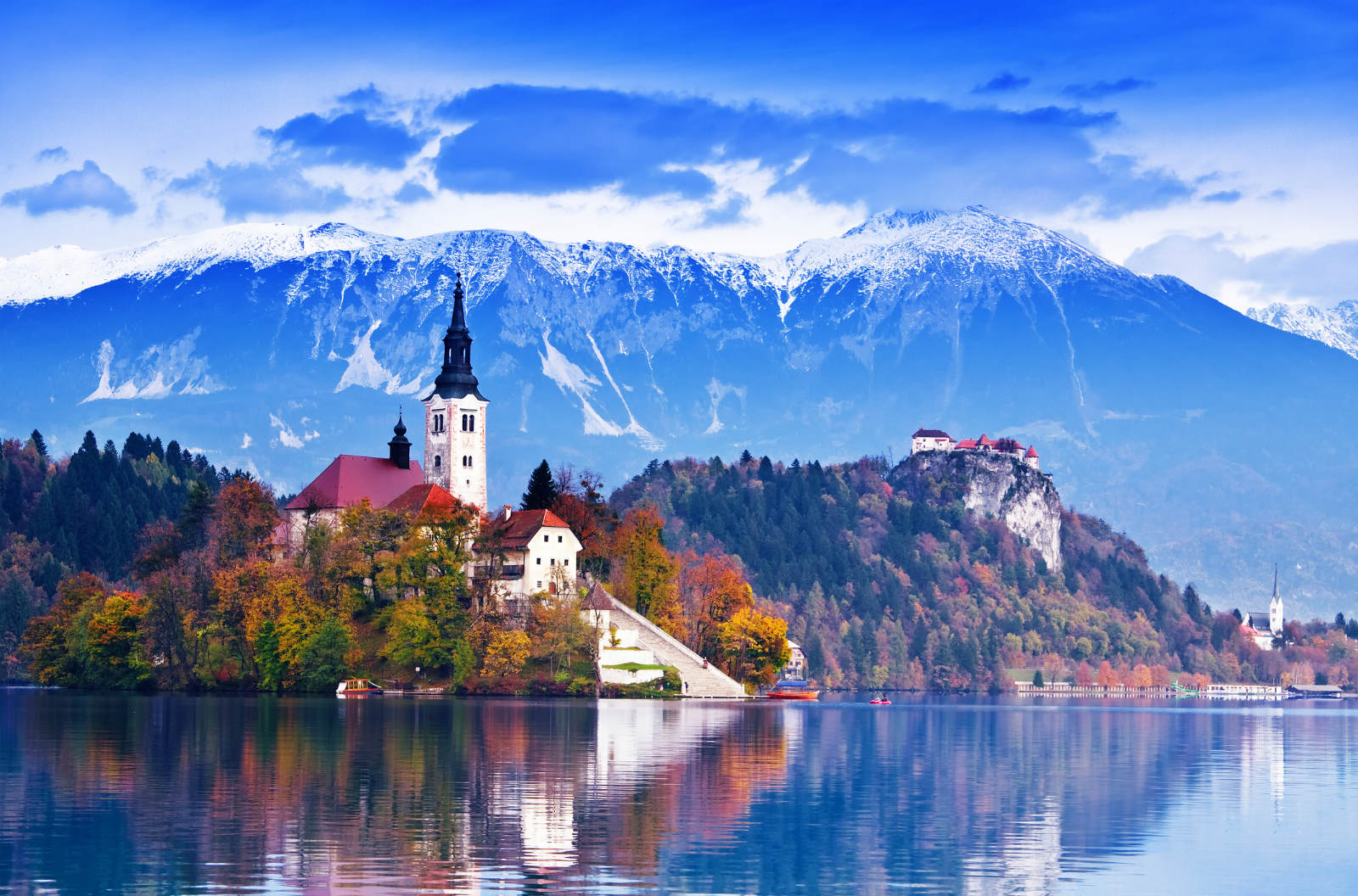
Lake Bled
Slovenia’s most iconic attraction — an alpine lake with a small island, medieval castle,
and postcard-perfect scenery.
Triglav National Park
The heart of the Julian Alps, offering hiking, lakes, waterfalls, and dramatic mountain landscapes.
Piran & the Adriatic Coast
A charming coastal town with Venetian architecture, narrow streets, and Mediterranean vibes.
Other Must-See Places
- Postojna Cave: One of the world’s most famous karst cave systems
- Škocjan Caves: UNESCO-listed underground canyon
- Maribor: Wine region and home to the world’s oldest vine
- Soča Valley: Emerald river, outdoor adventures, WWI history
Getting to & Around Slovenia
Air Travel
- Ljubljana Jože Pučnik Airport (LJU) – main international gateway
- Alternative access via Venice, Zagreb, or Vienna airports
Transportation
- Efficient road network and short travel distances
- Reliable buses and trains connecting major cities
- Car rental ideal for nature and alpine regions
Local Cuisine & Food Culture
Slovenian cuisine blends Alpine, Mediterranean, and Balkan influences.
Local highlights include cheeses, cured meats, freshwater fish, traditional stews,
and high-quality wines from regions like Goriška Brda and Štajerska.
Safety, Health & Practical Tips
- Very safe destination with low crime rates
- Tap water is safe to drink
- Cards widely accepted; cash useful in rural areas
- Respect nature protection rules in parks and reserves
How Long to Stay in Slovenia
- 3–4 days: Ljubljana + Lake Bled
- 6–7 days: Capital, Alps, caves, and coast
- 10+ days: In-depth exploration including wine regions and national parks
Frequently Asked Questions
Do I need a visa to visit Slovenia?
Slovenia is part of the Schengen Area. Many nationalities can enter visa-free for up to 90 days.
Is Slovenia expensive?
Slovenia is moderately priced compared to Western Europe, offering good value for accommodation,
food, and transport.
Is English widely spoken in Slovenia?
Yes. English is widely spoken, especially in cities and tourist areas.