
Stari Bar: A Practical Guide to Montenegro’s Remarkable Old Town
Explore Stari Bar’s medieval ruins, Ottoman heritage, ancient olive tree and relaxed food scene, with clear advice for planning an evening in Bar.
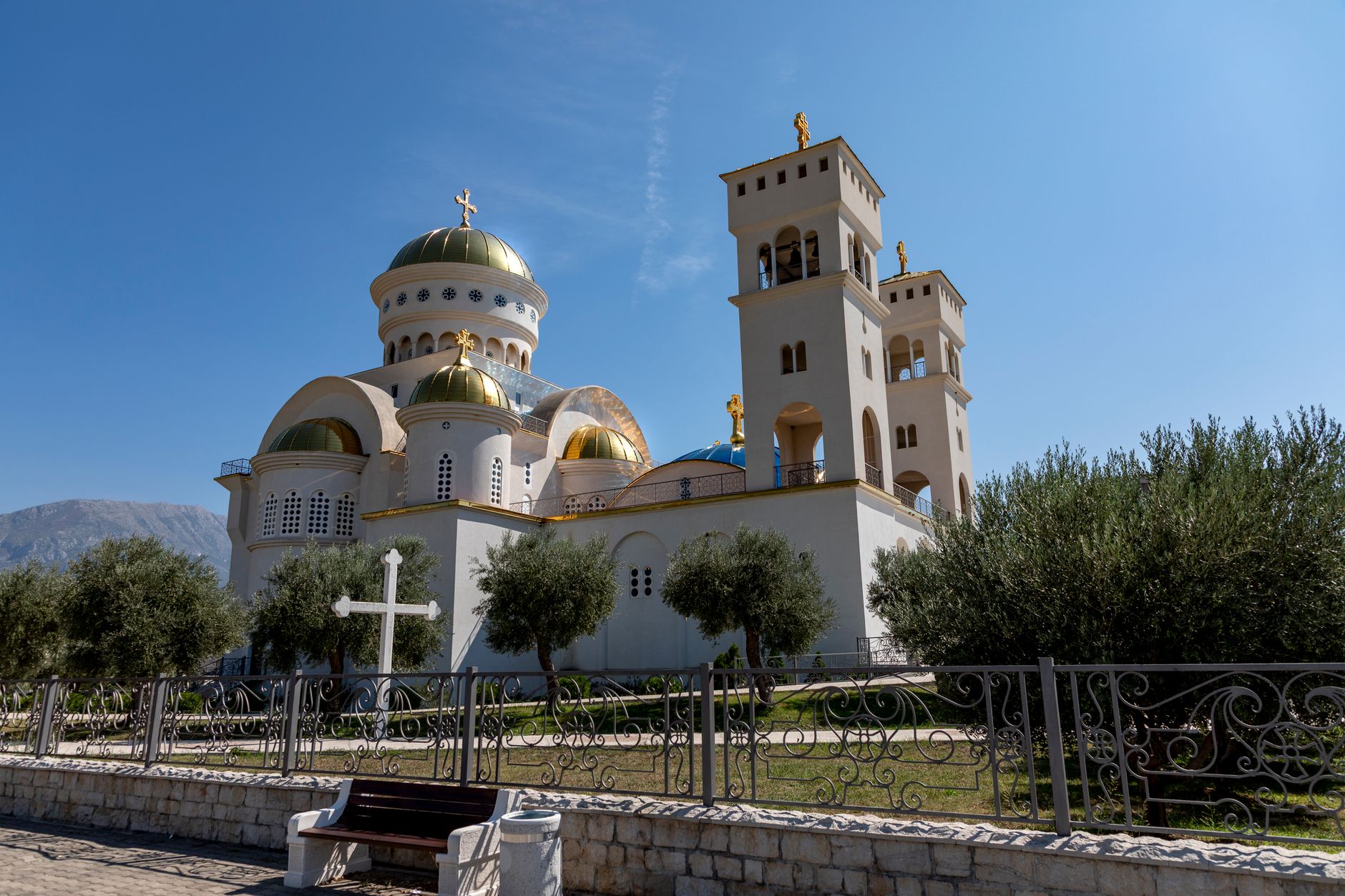
Stari Bar Montenegro is one of the country’s most rewarding historic visits: a vast fortified settlement climbing the slopes beneath Rumija Mountain, a short journey inland from modern Bar. Its crumbling walls, stone lanes and mountain setting feel markedly different from the coastal town below. Come for the history, allow time for a slow walk, and treat it as a daytime destination rather than a nightlife district.
Why Stari Bar is worth the detour
Stari Bar is not a small preserved old quarter with a few souvenir streets. It is a substantial ruined town, spread across a steep hillside and enclosed by defensive walls. Exploring it involves steps, uneven paving and many inviting turns between roofless houses, gateways and ruined churches.
The site reflects centuries of change on Montenegro’s southern coast. Medieval rulers shaped its early fortifications, while Ottoman rule added another lasting layer to its architecture and civic life. Later damage, including the effects of earthquakes and conflict, left the town largely abandoned. That history gives the place its distinctive character: this is a real former town, not a reconstructed attraction.
Look up while walking through the ruins. The slopes rise towards Rumija Mountain, which formed a dramatic natural backdrop as well as part of the town’s defensive logic. From higher points, the walls, valley and distant coast reveal why this inland position mattered.
Take the climb slowly
The rewards of Stari Bar come through wandering rather than racing between landmarks. Allow time to pause at arches, cisterns and terraces, and wear shoes with good grip. The lanes can be steep, while exposed stone becomes tiring in strong summer heat.
There is limited shade in parts of the complex. Water, sun protection and an earlier or later visit can make the experience far more comfortable. Check current entry arrangements locally before setting out, as access details may change.
What to see inside the walls
The pleasure of Stari Bar lies in its overall scale, but several details help bring its past into focus. Traces of homes and public buildings show that this was once a functioning urban centre, not merely a hilltop castle. Defensive towers and walls tell one side of the story; the remains of religious and domestic buildings tell another.
Omerbašića Mosque and Ottoman Bar
Omerbašića Mosque is an important reminder of the town’s Ottoman-era identity. Its minaret stands out among the stone ruins, while the mosque complex adds a more intimate human scale to the larger fortress landscape. It helps visitors understand that Stari Bar developed through overlapping communities and faiths.
Dress respectfully when visiting religious places and keep your voice low. Even where a historic site attracts visitors, it remains part of a living cultural landscape.
Views, walls and everyday details
Do not focus only on the highest viewpoints. Some of the most memorable scenes appear in the smaller passages: a worn threshold, a fragment of masonry, or vegetation pushing through an old courtyard. These details make Stari Bar feel atmospheric without needing elaborate interpretation.
Hikers may be drawn to Rumija Mountain above the town. Its slopes are best treated as a separate outdoor plan, however. Mountain walks require appropriate preparation, water, navigation and attention to conditions.

A simple route: olive groves, old town and Bazaar Street
The Old Olive Tree of Mirovica makes a natural addition to a visit to Stari Bar. Located in Mirovica village near the old town, this celebrated ancient tree speaks to an agricultural tradition that has shaped the Bar area for generations. Even for travellers who are not olive enthusiasts, it offers a quiet contrast to the fortress walls.
Olive growing remains central to local food culture, and the stop gives context to the olive oil and olive products sold nearby. Visit the tree before or after the ruins, depending on your arrival route, then continue towards the old town entrance.
Eat and browse on Stari Bar Bazaar Street
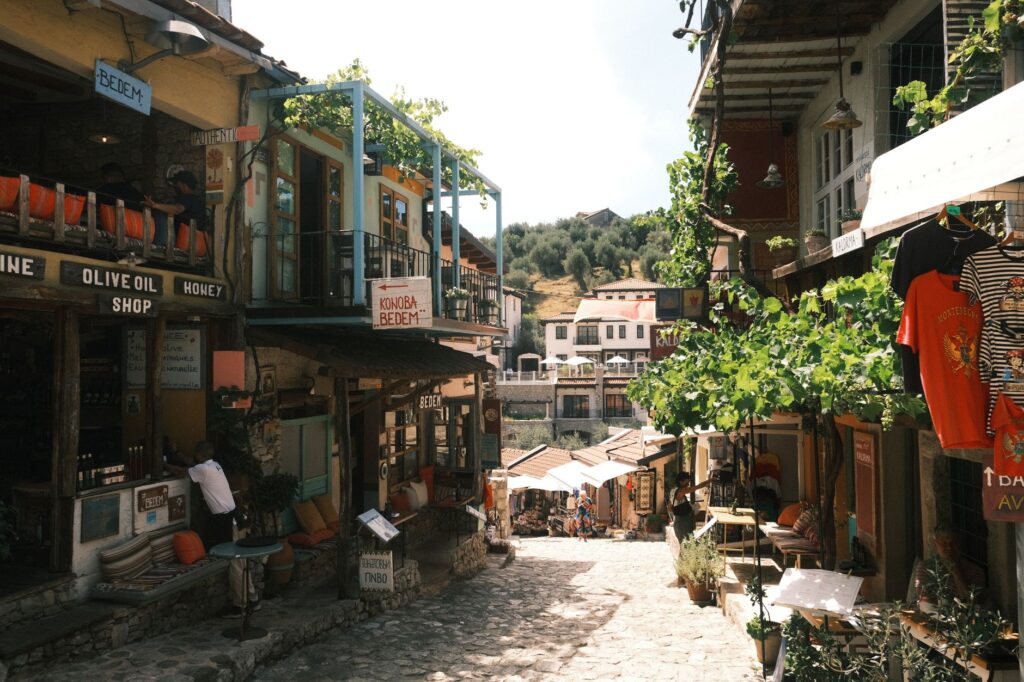
The street leading towards Stari Bar’s main gate has a far livelier, more settled feel than the ruins themselves. Restaurants, cafés and small shops gather along this approach, making it the obvious place for a coffee, a relaxed meal or locally produced olive oil after your walk.
This is also the best area to linger when the heat eases. A meal here extends the visit pleasantly, yet the mood remains low-key. Stari Bar’s appeal after dark is conversation over dinner, not a late-night circuit of bars and clubs.

Stari Bar after dark: dinner, not nightlife
As daylight fades, the old town becomes quieter and more atmospheric. The fortress is best appreciated in daylight, when its layout, views and architectural details are clear. Afterwards, Bazaar Street offers a sensible place to eat close to the historic setting.
Travellers looking for broader evening choices should head down to modern Bar. The Bar Promenade, by the marina and seafront, is the stronger option for a waterfront stroll, a wider range of restaurants and bars, and a more recognisably urban evening scene.
Modern Bar and Sutomore
Modern Bar should not be overlooked as merely the gateway to Stari Bar. King Nikola’s Palace, set near the seafront, provides a useful historical counterpoint to the medieval ruins. The former royal residence now functions as a museum, connecting visitors with Bar’s later nineteenth-century story and Montenegro’s royal past.
Visit the palace and promenade together if you have time. The combination creates a clear contrast: Stari Bar reveals the fortified inland settlement, while modern Bar shows the city’s coastal life and more recent development.
Sutomore, farther along the coast, is another resort town with its own seasonal character. It should not be treated as part of Bar or as an extension of Stari Bar’s historic experience. If your priority is an easy evening after sightseeing, modern Bar is the more logical destination.
Getting to Stari Bar from modern Bar
Stari Bar sits inland from the modern centre and waterfront. Reaching it by car or taxi is straightforward, and it is also possible to investigate local public transport options. If you depend on buses, confirm the current route and return journey locally rather than assuming a schedule.
A taxi is particularly practical if you plan to stay for dinner on Bazaar Street or want to visit the Old Olive Tree of Mirovica on the same outing. After dark, avoid relying on an uncertain return connection. Arrange a taxi or use a designated driver.
Planning notes for a rewarding visit
- Give it time: Stari Bar rewards unhurried exploration, especially if you enjoy photography or history.
- Choose sturdy footwear: Stone paths are uneven, steep in places and unsuitable for flimsy sandals.
- Bring water: The open ruins can feel hot, particularly in summer.
- Combine nearby experiences: Add the Old Olive Tree for local culture, then finish around Bazaar Street.
- Save the promenade for later: Modern Bar is the better choice for a seafront walk and a fuller evening.
- Check details on arrival: Confirm current admission, access and transport information locally.
Stari Bar works best as a focused heritage excursion rather than an all-day search for entertainment. Walk the medieval lanes, notice the Ottoman layers, stand beneath the mountain backdrop and end with food near the gates. Then, if you want the lights and movement of the coast, return to modern Bar for the evening.
Best places in Bar
Selected attractions and places to eat with Tripadvisor data, curated for a cleaner trip-planning experience.
Top restaurants in Bar

F2 Restoran

Pizza-Pub KARUBA BAR
Recommended hotels in Bar
Selected well-rated hotels with Agoda booking links.

Current rates and availability are confirmed on Agoda.