
St Naum Monastery: How to Visit from Ohrid
Discover the heritage, lakeside scenery and practical travel options for visiting St Naum Monastery from Ohrid on a rewarding southern shore excursion.
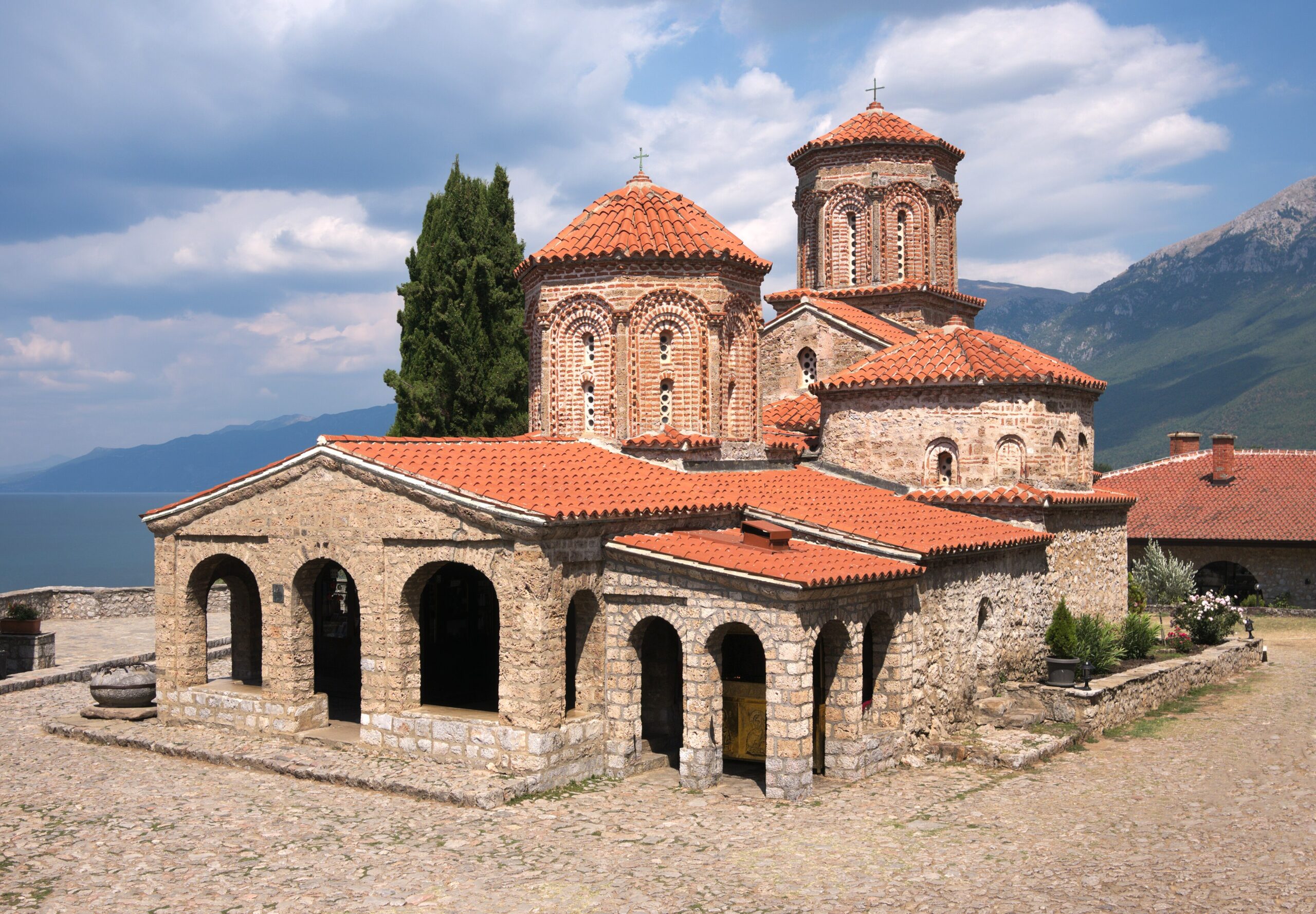
St Naum Monastery is one of the most rewarding excursions from Ohrid. Set near the Albanian border at Lake Ohrid’s southern end, it brings together medieval faith, vivid frescoes, clear spring water and a spectacular lakeside setting. This is not simply a quick stop for photographs. Allow at least half a day to experience the church, grounds and springs at an unhurried pace.
The monastery lies roughly 30 kilometres south of Ohrid, making it accessible by road, organised tour or boat excursion. Each route offers a different experience, but all lead to one of North Macedonia’s most resonant historic sites.
Continue planning with Ohrid Travel Guide for First-Time Visitors and Best Ohrid Tours & Experiences.
Why St Naum Monastery matters
The Monastery of Saint Naum occupies a remarkable position above the lake. Mountains rise behind it, while the blue expanse of Lake Ohrid opens in front. Its setting feels purposeful rather than accidental: this was a place of worship, learning and pilgrimage at the edge of an important medieval Christian world.
St Naum of Ohrid founded a monastery here around the year 900. He was a close associate of Clement of Ohrid, and both saints played a major role in the religious and literary culture of the region. Their work helped establish Ohrid as one of the great spiritual centres of the medieval Balkans.
Today, St Naum remains a living devotional destination as well as a historic monument. Visitors may notice people entering quietly, lighting candles or pausing at the saint’s tomb. That atmosphere is part of the experience. The site deserves more attention than a rushed lakeshore stop on a packed sightseeing day.
The monastery also belongs to the wider cultural landscape associated with the Ohrid region, recognised for its exceptional blend of natural and cultural heritage. Lake Ohrid is among Europe’s oldest lakes, while Ohrid’s shores hold layers of ancient, medieval and Orthodox history. St Naum is where those strands meet most dramatically.
Inside the Church of Saints Archangels Michael and Gabriel
The Church of Saints Archangels Michael and Gabriel is the devotional heart of the monastery complex. Its modest exterior does not prepare you for the concentrated atmosphere inside. The church is intimate, darkened and richly decorated, encouraging visitors to slow down.
Frescoes cover much of the interior. They belong to a longstanding Orthodox tradition in which painted figures, biblical scenes and saints surround the worshipper. Even if you do not know the iconography, the visual effect is powerful. Look closely at the faces, robes and expressive gestures, rather than trying to identify every scene.
The church is particularly associated with the tomb of St Naum. Local tradition holds deep reverence for the saint, and many visitors come specifically to pay their respects. A well-known belief says that one can hear his heartbeat by placing an ear near the tomb. Treat this as a matter of faith and local tradition, rather than a claim to test or explain.
A church to visit with care
This remains a sacred space, not a museum gallery. Dress modestly, keep voices low and avoid blocking worshippers. Photography policies can differ indoors, so follow signs and any guidance from staff or clergy.
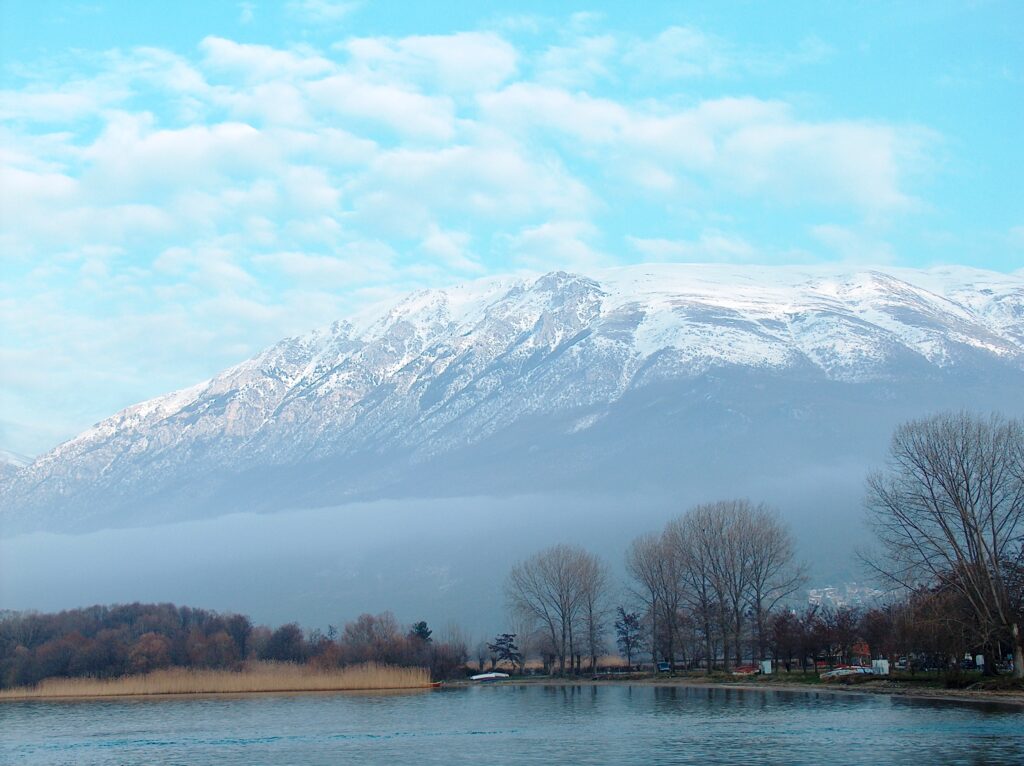
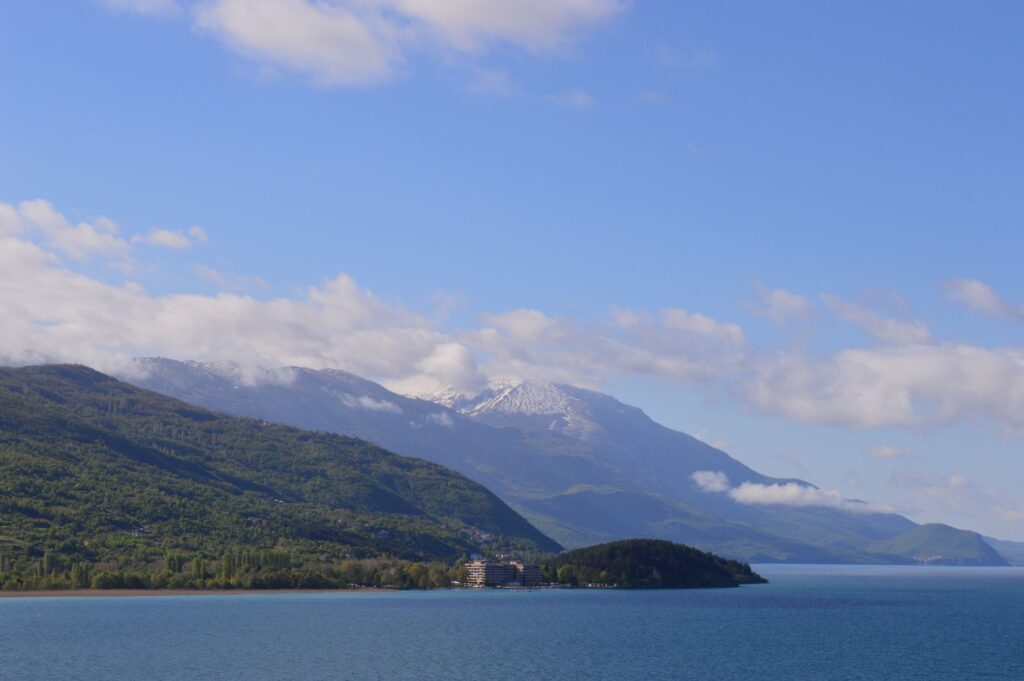
Spend a few minutes outside after your visit. From the monastery terraces and paths, Lake Ohrid appears vast and almost Mediterranean in colour. Yet the landscape has a quieter character, shaped by pilgrimage, mountain slopes and old monastic traditions.
The Springs of St Naum and their lake setting
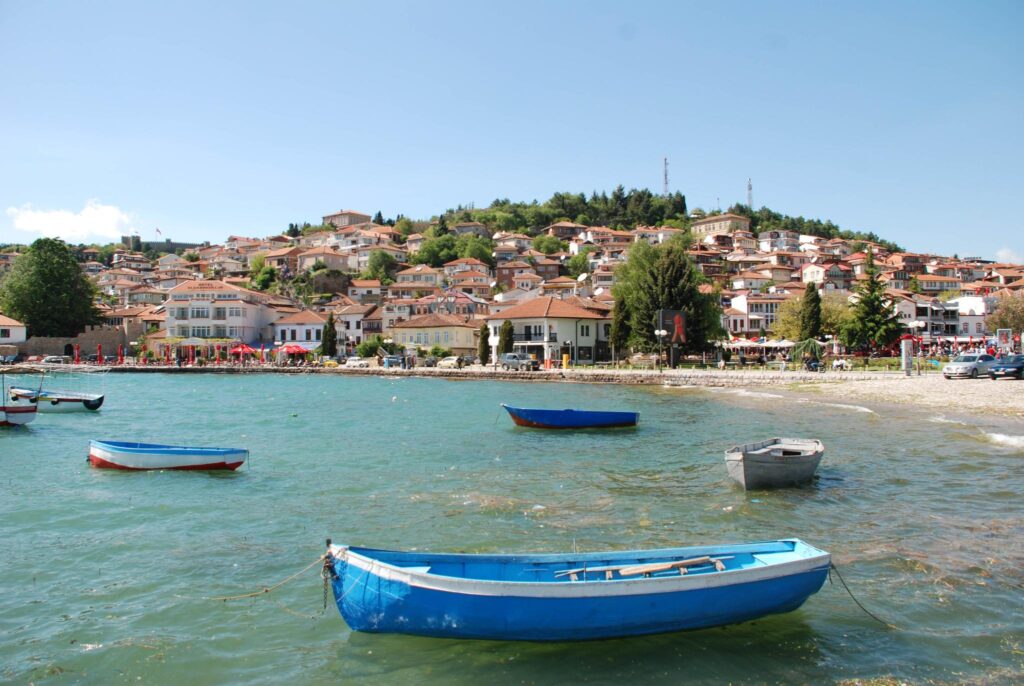
The Springs of St Naum give the excursion a second dimension. These exceptionally clear waters emerge beside the monastery grounds and flow into Lake Ohrid. Their channels, reeds and shifting shades of green-blue create a striking contrast with the open lake beyond.
A short boat ride through the spring channels is one of the best ways to appreciate this landscape. The boats move slowly through calm water, often close enough to see aquatic plants and the changing texture of the spring bed. It is a gentle experience, and a welcome counterpoint to the church’s historical intensity.
The springs are important because they are part of the lake’s natural system. They should not be treated as a swimming attraction or a recreational water park. Instead, approach the area as a sensitive natural setting that has long been tied to the monastery’s identity.
Walking paths around the shore also offer rewarding views. You can linger over the meeting of spring water and lake water, watch the light change on the hills, and see why this location was chosen for a monastery more than a thousand years ago.
The story of St Naum and medieval Ohrid
Understanding St Naum adds depth to the visit. He lived during a period when the First Bulgarian Empire supported Christian scholarship and the spread of Slavic literacy. Ohrid became a vital centre for teaching, translation and religious life.
St Naum worked alongside St Clement of Ohrid, another defining figure in the region’s Christian heritage. Their legacy is often linked with the Ohrid Literary School, which helped shape Slavic Orthodox culture across southeastern Europe. The precise details of their lives can feel distant, but the legacy is visible in Ohrid’s churches, monasteries and enduring religious traditions.
Naum eventually withdrew to this southern lakeshore site, where he established his monastery and was later buried. Over centuries, the complex was renewed and altered, yet the essential idea remained unchanged: a place of contemplation beside the lake.
This history explains why St Naum feels different from an urban church in Ohrid Old Town. It is more remote, more landscape-driven and more closely tied to pilgrimage. Give yourself time to absorb that difference.
Getting to St Naum from Ohrid
The journey from Ohrid is part of the appeal. The lakeshore route heads south through a changing sequence of beaches, small settlements, wooded slopes and broad lake views. By road, the monastery is an easy day excursion from town, whether you travel independently, hire a driver or join an organised outing.
By road
Road travel gives the greatest flexibility. It suits visitors who want to stop at viewpoints, linger at the monastery, or include another cultural site along the southern shore. A taxi or private driver can work well for small groups, especially if you prefer to set your own pace.
Public transport may be possible at certain times of year, but services and departure patterns can change. Check locally after arriving in Ohrid if this is your preferred option. Do not build a tightly timed itinerary around an unconfirmed connection.
By organised excursion
A guided trip is the simplest choice for travellers who want interpretation and straightforward transport. These outings often combine St Naum with selected south-shore sights, making them useful if you have limited time. Look for an itinerary that allows meaningful time at the monastery and springs, rather than treating both as brief photo stops.
For broader ideas on selecting local experiences, the Best Ohrid Tours & Experiences guide can help you compare the kinds of day trips available around the lake.
By boat
A boat trip creates the most scenic approach. Seeing St Naum from the water makes its position on the southern shore feel especially dramatic. It can also turn the journey into a full lake experience rather than a simple transfer.
However, boat itineraries depend on conditions and season. They may also offer less freedom to stay longer at the monastery. Confirm the route, time ashore and return arrangements before committing. The Ohrid Boat Trips: Best Lake Cruises & Experiences guide is useful for understanding the different styles of lake excursion.
Adding Bay of Bones or other stops
If you travel by road, Bay of Bones Museum makes a worthwhile cultural addition. Near Gradishte, this open-air museum reconstructs a prehistoric settlement built above the water. It offers a very different view of Lake Ohrid’s past, reaching far beyond the medieval world of St Naum.
Bay of Bones works best as a brief stop before continuing south. It should not replace time at the monastery, which remains the main purpose of this excursion. Together, though, the two sites reveal the extraordinary depth of human history around the lake.
Galičica National Park frames much of the route with mountain scenery. Its higher roads and trails are better suited to a separate hiking-focused day, but even a drive along the lakeshore gives glimpses of its rugged slopes. The park lies between Lakes Ohrid and Prespa, adding another layer to the region’s distinctive geography.
Private boat itineraries from the Trpejca area can sometimes include Sveti Zaum Church, a remote 14th-century church known for its frescoes. It is an appealing addition for travellers with a special interest in medieval art. Still, it requires more planning than a standard St Naum visit and should be viewed as an extra, not an essential stop.
How to plan a respectful, rewarding visit
Plan St Naum as a half-day minimum from Ohrid. A full day feels more satisfying if you want a lakeside meal, a spring boat ride, Bay of Bones, or time for unscheduled stops along the route.
- Dress for a religious site: Cover shoulders and knees when entering the church, and carry an extra layer if needed.
- Keep the church visit quiet: The monastery is active and meaningful to pilgrims as well as tourists.
- Ask before taking photographs indoors: Rules may vary between spaces within the complex.
- Leave time for the springs: The natural setting is central to the visit, not an optional afterthought.
- Confirm transport details locally: This is especially important for public buses and seasonal boat services.
- Combine stops selectively: One extra sight is usually enough if St Naum is your priority.
For first-time visitors, St Naum is one of the clearest reasons to look beyond Ohrid itself. It combines art, belief, landscape and a journey along one of the Balkans’ most beautiful lakeshores. Visit with curiosity and patience, and the monastery becomes far more than the final stop on a day trip.
Tours & experiences for Ohrid
Popular experiences with current pricing and traveler ratings.
 Free cancellation
1.5 Hour Ohrid Lake Sunset Cruise
 Free cancellation
Monastery Winery Tour and Wine Tasting
 Free cancellation
Shared Cruise to St.Naum Monastery
 Free cancellation
Ohrid cooking classes
 Free cancellation
Stand up Paddle Tour in Lake Ohrid
 Free cancellation
S&S Winery - Wine Tasting Experience in Ohrid
ToursToBalkans may earn a commission when you book through our partner links.
Best places in Ohrid
Selected attractions and places to eat with Tripadvisor data, curated for a cleaner trip-planning experience.
Top attractions in Ohrid

Recommended hotels in Ohrid
Selected well-rated hotels with Agoda booking links.

Current rates and availability are confirmed on Agoda.