
Skopje Old Bazaar: Food, History & What to See
Explore Skopje’s historic trading quarter through its Ottoman landmarks, caravanserais, food traditions and an easy walking route from Stone Bridge to Bit Pazar.
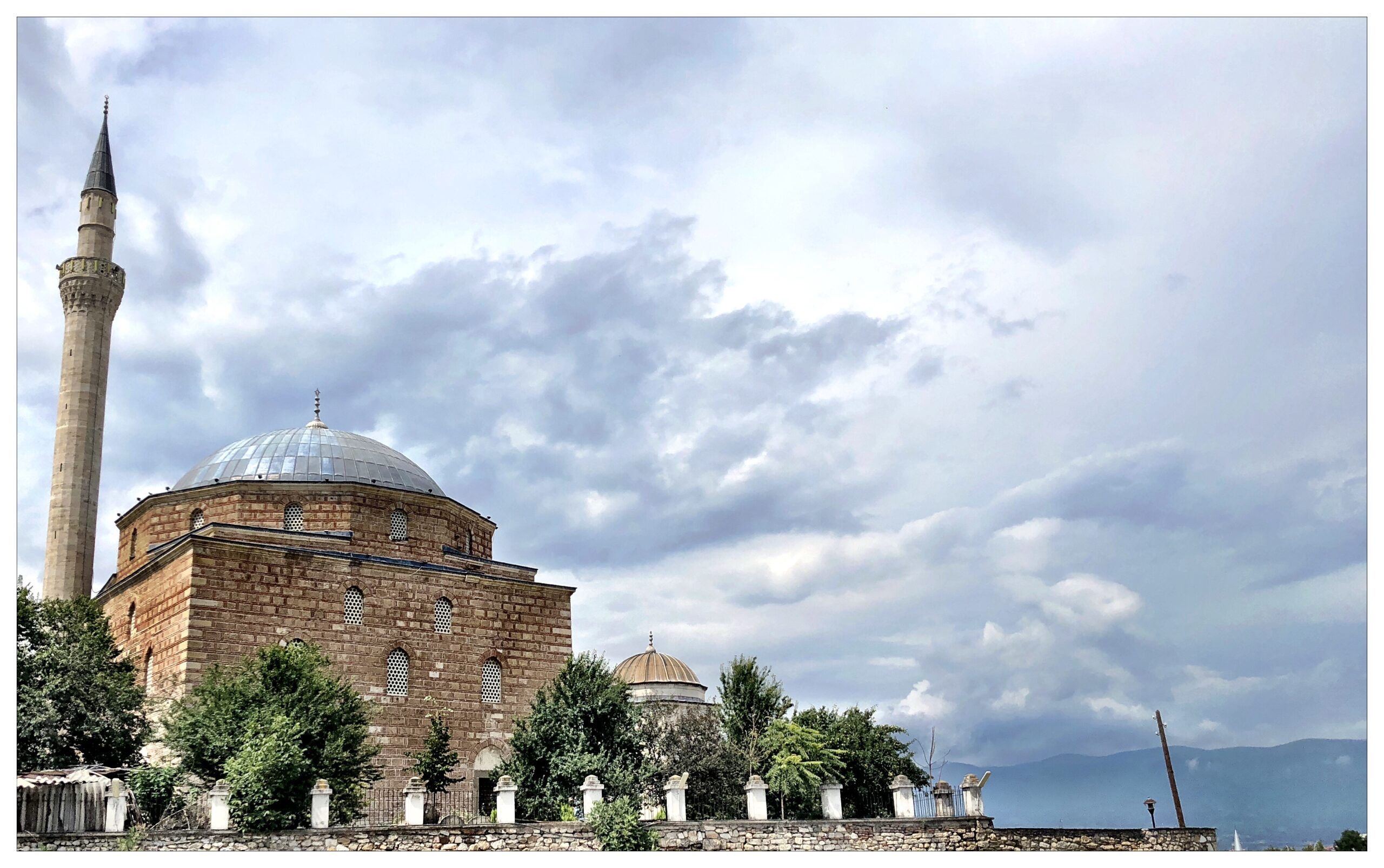
The Skopje Old Bazaar, known locally as Stara Čaršija, is the most atmospheric part of the North Macedonian capital. Its narrow lanes, workshops, mosques, former inns and food counters preserve the shape of an old commercial city. Yet this is not a sealed-off historic district. It remains a working neighbourhood where people meet, shop, pray and eat.
The bazaar begins just across the Vardar River from Macedonia Square. Cross the Stone Bridge and the city changes quickly. Grand newer buildings give way to low stone façades, tiled roofs, busy market streets and the domes of Ottoman-era hammams. Allow time to wander rather than treating it as a checklist of monuments.
Continue planning with Best Things to Do in Skopje and Best Day Trips from Skopje.
Why Skopje Old Bazaar matters
For centuries, Čaršija was Skopje’s commercial centre. Traders, craftspeople and travellers gathered here at a key crossroads between the Balkans and the wider Ottoman world. The quarter still reveals that role through its lanes, covered trading spaces, mosques and caravanserais.
Its character is also multicultural. Albanian, Turkish, Macedonian, Roma and other communities have all shaped its daily life, languages and food. That mix gives the bazaar its energy. It is a place for architecture and history, but also for watching contemporary Skopje unfold.
The Stone Bridge: the natural gateway
The Stone Bridge is the essential approach to the old quarter. Spanning the Vardar River, this Ottoman-period landmark joins the central square to the streets of Čaršija. The crossing offers one of Skopje’s clearest contrasts: the modernised centre on one bank and the historic trading district on the other.
Pause in the middle before continuing north. From here, the mosque minarets and slopes above the bazaar come into view. Then enter the lanes at an unhurried pace, following the flow of pedestrians rather than trying to navigate every street precisely.
A trading quarter shaped by centuries
Skopje expanded significantly under the Ottoman Empire, when the bazaar became a dense urban network of specialist craft streets, religious foundations, baths and merchants’ inns. A čaršija was more than a market. It was the economic and social heart of the town.
The district has endured major upheavals. The earthquake of 1555 damaged parts of Skopje, while the devastating 1963 earthquake transformed much of the city. The old bazaar survived in a more recognisable form than many surrounding areas, though several buildings have been repaired and restored over time.
That layered survival explains why the quarter feels uneven in the best sense. You may pass a carefully restored courtyard, a humble shopfront, a monumental mosque and a busy produce stall within a few minutes. Its appeal lies in this lived-in texture, not in flawless preservation.
Monuments that explain the bazaar
Mustafa Pasha Mosque
Above the market streets stands Mustafa Pasha Mosque, one of Skopje’s most important Ottoman religious monuments. Founded in the 15th century, it occupies a calm, elevated position that feels removed from the bustle below. Its graceful dome, minaret and courtyard make it a powerful landmark from several points in the bazaar.
The mosque also gives a sense of the quarter’s former urban order. Religious complexes often stood near commercial streets, serving both worshippers and the wider community. Visit respectfully, dress modestly and remember that access may be limited during prayer or religious activity.
Daut Pasha Hamam
Daut Pasha Hamam is one of the bazaar’s most striking surviving buildings. This 15th-century double bathhouse was designed with separate bathing sections, and its roofline is marked by a cluster of domes. Even from outside, the building shows how much importance public bathing once held in Ottoman urban life.
Today, the hamam houses part of the National Gallery. That new cultural role adds another layer to the building without hiding its original purpose. Look closely at the form of the structure: the thick walls, small openings and rounded domes were all suited to the heat and privacy of a traditional bathhouse.
Kuršumli An and the world of the caravanserai
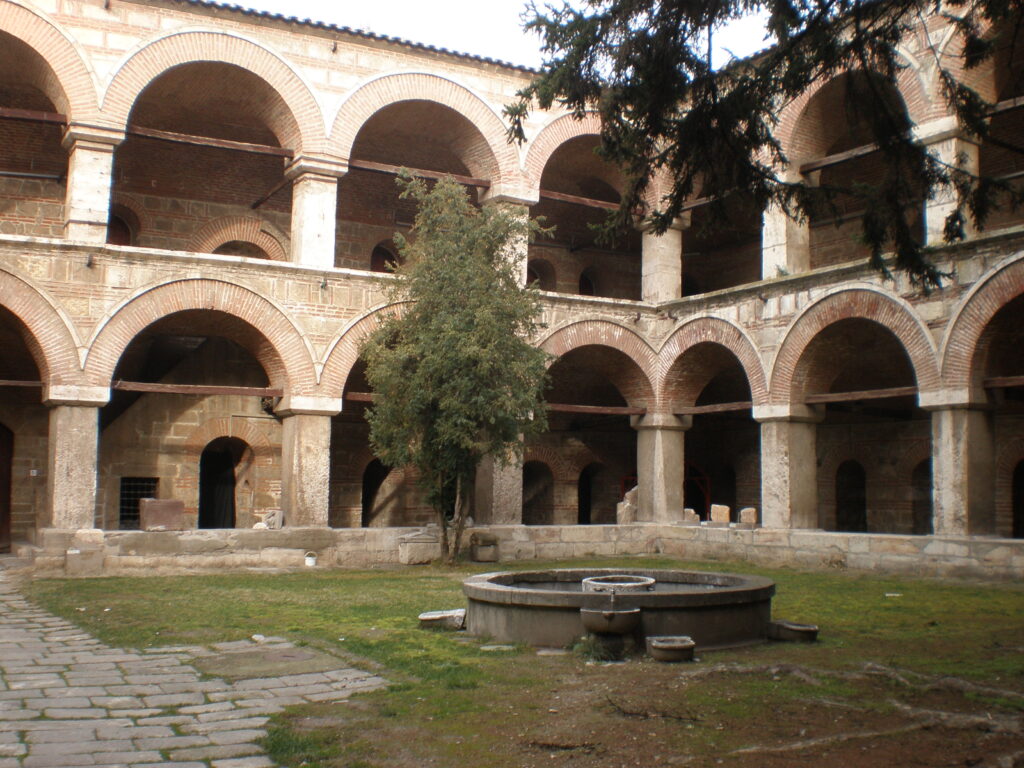
Kuršumli An offers the clearest glimpse of Skopje’s trading past. It was a caravanserai, or inn, where merchants, travellers and their animals could find shelter within a secure courtyard complex. The name refers to its former lead-covered roof.
Its heavy stone walls and central courtyard feel notably different from the surrounding market lanes. Imagine loaded caravans arriving after a journey across the Balkans, with goods stored and deals made nearby. This was the infrastructure that allowed the bazaar to prosper beyond its local trade.
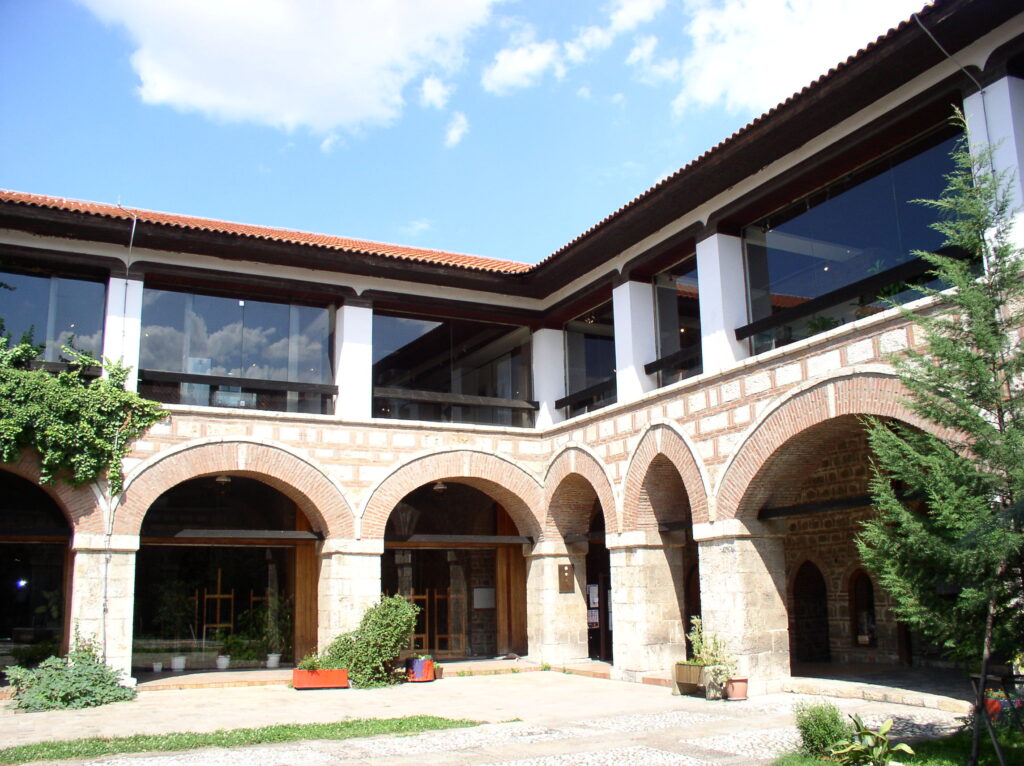
Two further inns deepen that story. Suli An, another restored Ottoman caravanserai, retains the courtyard character of a merchant lodging house and has cultural uses today. Kapan An also recalls the commercial network of the old quarter, with its enclosed courtyard and historic trading function.
Together, these buildings show that the bazaar was not simply a place to buy goods. It supported long-distance travel, overnight stays, storage and exchange.
Food and market life around Bit Pazar
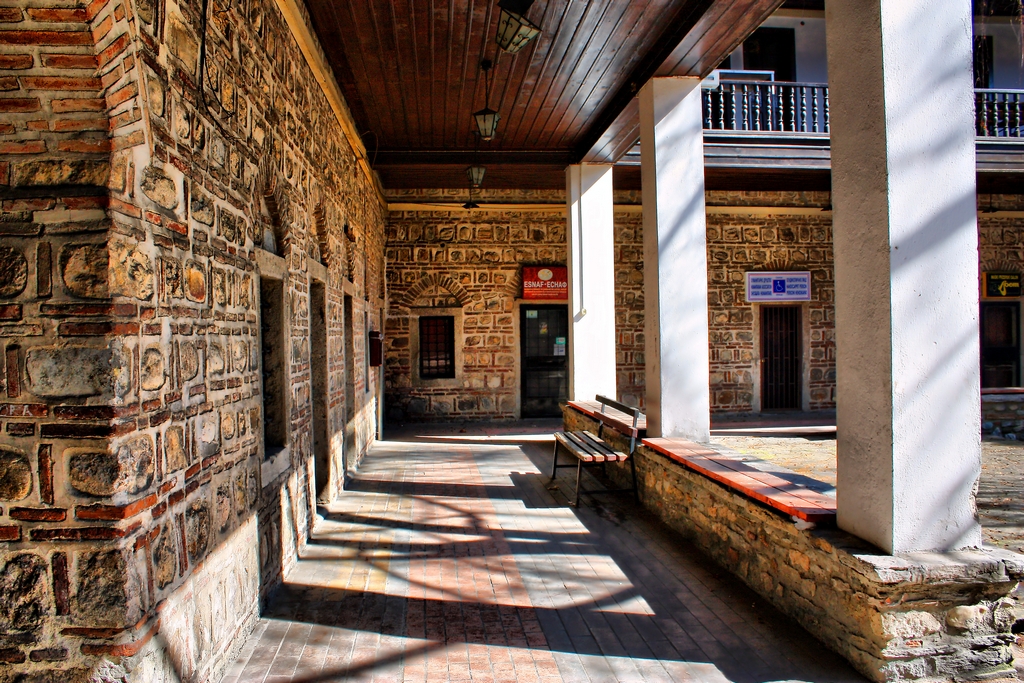
The northern edge of the bazaar leads naturally toward Bit Pazar, Skopje’s longstanding produce market. This is where the old quarter feels most rooted in daily routines. Stalls and nearby shops bring fresh ingredients, household shopping and local conversation into the historic streetscape.
Bit Pazar is worth visiting for its atmosphere as much as for any purchase. Notice the change in pace from the monument-filled core of Čaršija. Here, the bazaar’s commercial heritage is not only visible in old stone buildings; it continues through ordinary market life.
What to eat in the bazaar
Food is central to a visit, and the flavours reflect the district’s Balkan and Ottoman influences. Skopski kebap, usually served as small grilled minced-meat sausages with bread and onions, is a classic choice. The well-known grill restaurant Destan is a traditional bazaar stop for ćevapi and an easy introduction to this style of eating.
For something lighter, look for flaky burek, often filled with cheese or meat. End with baklava if you want a sweet, syrupy reminder of the region’s Ottoman culinary inheritance. These are everyday foods, not formal dining experiences, which suits the informal rhythm of Čaršija.
A simple walking route through Čaršija
A self-guided visit works best as a gradual walk from the river toward the market. Begin at the Stone Bridge, then enter the streets directly beyond it. Let the first stretch introduce the atmosphere before seeking out specific monuments.
- Cross the Stone Bridge from the city centre and enter the bazaar on foot.
- Wander through the central lanes, looking for craft shops, cafés and historic façades.
- Visit Daut Pasha Hamam to understand the scale of an Ottoman public bathhouse.
- Continue toward Kuršumli An, with time to see Suli An and Kapan An nearby.
- Walk uphill to Mustafa Pasha Mosque for a quieter setting and broader views over the quarter.
- Pass Čifte Hamam, another 15th-century double bathhouse now used for contemporary art exhibitions.
- Head north through the market streets to Bit Pazar, then stop for kebab, burek or a sweet pastry.
If time allows, seek out Sultan Murad Mosque. With 15th-century origins and a historic cemetery, it is another important marker of the quarter’s religious and community life. Its presence reinforces how closely worship, trade and residence developed here.
The Bezisten, a covered market building within the bazaar, is also worth noticing as you wander. It reflects the need to protect valuable goods and maintain commercial activity in a dense trading centre.
Visiting with respect
The Old Bazaar rewards curiosity, but it is not an open-air museum. Keep pathways clear, ask before photographing people closely and remember that many premises are workplaces. Some historic buildings serve cultural functions, while others may not be open for casual entry.
At Mustafa Pasha Mosque and Sultan Murad Mosque, wear modest clothing and follow guidance at the entrance. Remove shoes when required, keep voices low and avoid visiting spaces that are in use for prayer. A respectful visit will make the experience richer.
Skopje Old Bazaar is best understood through its contrasts: solemn courtyards beside noisy grills, medieval trade infrastructure beside modern shops, and centuries-old monuments within a living city district. Walk from the Stone Bridge to Bit Pazar with time to pause, eat and look up. The deeper story of Skopje is written in those streets.
Tours & experiences for Skopje
Popular experiences with current pricing and traveler ratings.
 Free cancellation
Explore Kosovo Group Tour to Pristina and Prizren from Skopje
 Free cancellation
Group Tour from Skopje:Millennium Cross,Matka Canyon&Etno Village
 Free cancellation
Kosovo Day Trip: Pristina and Prizren Tour from Skopje
 Free cancellation
Six course dinner & Macedonian wine pairing at Dropstop Gastrobar
 Free cancellation
A Day from Skopje to Pristina and Prizren, Kosovo, opt. Kukes Alb
 Free cancellation
From Skopje: Kosovo in a Day – Prishtina, Monastery & Bears
ToursToBalkans may earn a commission when you book through our partner links.


