
Novi Pazar for First-Time Visitors: Ottoman Heritage, Mosques and Nearby Monasteries
Discover Novi Pazar’s Bosniak character, Ottoman landmarks, inviting food culture and remarkable medieval monasteries on a rewarding first visit to southern Serbia.

Novi Pazar first-time visitors often arrive expecting a regional Serbian town and find somewhere markedly different. This is Serbia’s most distinctly Bosniak-Muslim city, with a living Islamic culture, busy market streets, strong coffee traditions and an Ottoman urban character that remains visible in daily life. Beyond the centre, the valleys and hills hold some of the country’s most important medieval Serbian religious monuments.
That contrast is the essence of Novi Pazar. Spend part of a day among mosques, old commercial lanes and bakeries, then set aside another half-day for the monuments of medieval Raška. A car or arranged transport makes the surrounding heritage circuit far easier to explore.
Continue planning with Things to Do in Novi Pazar: A Local's List of Must-See Attractions.
Why Novi Pazar feels different
Novi Pazar grew under Ottoman rule, and its name translates as “new market.” Trade still shapes the mood of the city. The old bazaar area is not a preserved stage set; it is a working part of town where locals meet, shop, eat and linger over coffee.
The city’s Bosniak identity is central to this atmosphere. Mosques punctuate the streetscape, while restaurants and pastry shops serve dishes familiar across Bosnia and the wider Sandžak region. You will hear Serbian spoken alongside Bosnian-influenced local speech, and the social rhythm often feels more relaxed than in Serbia’s larger cities.
It is important, though, not to view Novi Pazar only through its Ottoman past. The city also stands close to the medieval heartland of the Serbian state. Its greatest appeal lies in the way these cultural layers sit so close together.
Ottoman landmarks in the centre
Altun-Alem Mosque
Altun-Alem Mosque is the essential Ottoman monument in Novi Pazar. Built in the 16th century, it is admired for its harmonious stone construction and restrained proportions. Rather than relying on grand scale, the mosque makes an impression through balance, craftsmanship and its calm presence within the old urban fabric.
It remains an active place of worship, which gives it meaning beyond architecture. From outside, take time to notice the stonework, the dome and the slender minaret. The mosque also provides a clear visual anchor when wandering the lanes around the bazaar.
If visitors are welcomed inside, enter quietly and follow local guidance. Remove your shoes where required, dress modestly and avoid interrupting worshippers. Women may wish to carry a scarf for religious sites. Photography should never be assumed, particularly when people are praying.
Isa-Beg Hammam
The Isa-Beg Hammam reaches further back into Novi Pazar’s Ottoman story. It is linked with Isa-Beg Ishaković, the Ottoman governor and founder associated with the city’s early development in the 15th century. Its survival helps explain that Novi Pazar was planned as an Ottoman urban centre, not simply shaped by later additions.
This is primarily an exterior stop for most travellers. Look at it as part of the wider city plan: a bathhouse, mosque, market and defensive points once formed the practical framework of a busy Balkan town. Even without an interior visit, the hammam adds depth to a walk through the centre.
Arap Mosque and the fortress
Arap Mosque is another useful landmark in the Ottoman core. Its tall minaret is especially noticeable above the surrounding streets. The mosque’s layered history reflects the changes Novi Pazar has experienced over centuries, yet it remains first and foremost a religious space that deserves the same consideration as Altun-Alem.
Nearby, Novi Pazar Fortress offers a brief historical pause close to the commercial centre. This compact Ottoman defensive site will not occupy long, but it helps place the bazaar in a strategic context. The town was a market settlement, but it also occupied an important route through the region.
Walking the old bazaar
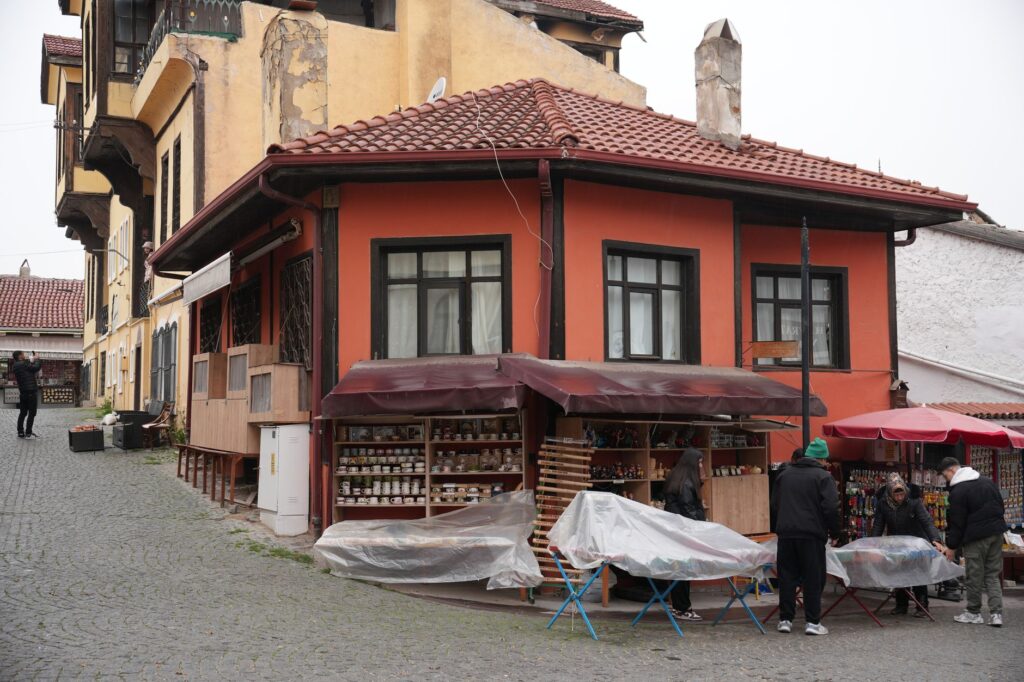
The Old Bazaar is where Novi Pazar feels most immediate. Allow time to wander rather than treating it as a checklist of monuments. The most rewarding moments often come from small details: shopfronts, the smell of grilled meat, trays of pastries, conversation outside cafés and the steady movement of local trade.
This is a good place to stop for Bosnian-style coffee, served slowly and meant to be enjoyed rather than rushed. Novi Pazar also has a strong reputation for grilled dishes, filled pastries and sweets. Ask for local specialities, but keep an open mind and choose a busy, welcoming place that appeals to you.
Respect matters in this part of the city. Avoid photographing people without permission, especially around religious buildings or market stalls. Modest clothing is sensible when entering mosque precincts, and visitors should be discreet during prayer periods.
The medieval Raška circuit beyond town
The monuments outside Novi Pazar are not an optional extra for travellers interested in history. They reveal the medieval political and spiritual landscape that existed before Ottoman Novi Pazar emerged. Together, Stari Ras, Sopoćani Monastery, Đurđevi Stupovi and Petrova Crkva form part of the UNESCO-listed ensemble known as Stari Ras and Sopoćani.
Stari Ras: the earlier political centre
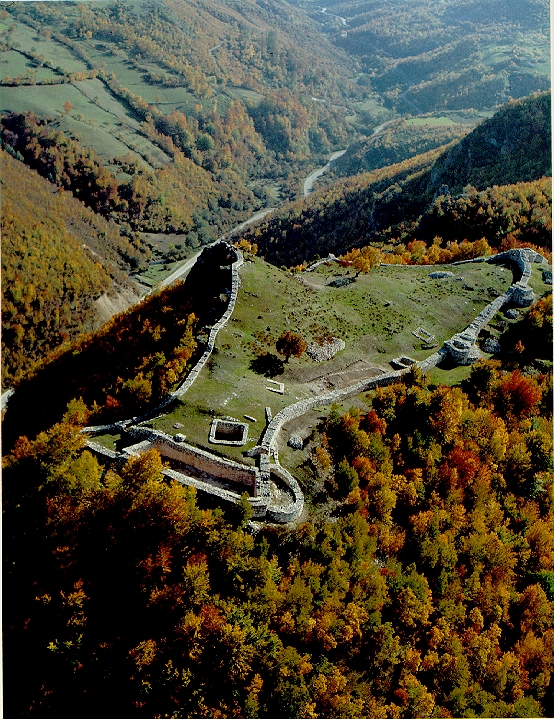
Stari Ras refers to the area of medieval Ras, an important centre of the early Serbian state. Do not expect a complete, standing medieval town. The significance lies in the archaeological remains and the landscape itself, which once formed a political heartland.
For first-time visitors, Stari Ras is best understood as context for the monasteries. It explains why such important churches and monastic foundations appeared in these valleys and on these hills. The site rewards travellers who enjoy connecting ruins, terrain and historical imagination.
Sopoćani Monastery and its extraordinary frescoes
Sopoćani Monastery is the standout artistic experience in the region. Its Church of the Holy Trinity dates from the 13th century and contains frescoes celebrated as a high point of medieval Balkan art. The figures are monumental, expressive and remarkably composed, giving the interior a powerful sense of dignity.
Even travellers who do not usually seek out religious art often find Sopoćani memorable. The paintings are not merely decorative. They show the ambition of a medieval Serbian kingdom that looked towards Byzantine artistic traditions while developing its own visual language.
Take your time inside and let your eyes adjust to the light. Rules on interior photography can vary, so follow instructions on arrival. Dress respectfully, keep voices low and remember that this remains a functioning religious site.
Đurđevi Stupovi above the landscape
Đurđevi Stupovi offers a different kind of experience. Founded in the 12th century and associated with Stefan Nemanja, it stands on elevated ground with broad views over the surrounding landscape. Its position conveys both religious importance and dynastic confidence.
The name refers to the “pillars of St George,” and the monastery’s hilltop setting is part of its appeal. After the enclosed atmosphere of Sopoćani, Đurđevi Stupovi feels open and commanding. It adds a landscape dimension to the medieval circuit that visitors should not miss.
Petrova Crkva, the Church of St Peter and St Paul, makes a worthwhile additional stop if time permits. With early medieval origins, it deepens the story further and shows how long this area served as a Christian centre. It is smaller in scale than the principal monasteries, but historically important.
A sensible route for a first visit
A well-paced first visit can work across two distinct parts. Begin with a half-day in Novi Pazar itself. Walk through the Old Bazaar, pause at Altun-Alem Mosque, see the Isa-Beg Hammam from outside, and include Arap Mosque and the fortress if your route takes you nearby.
Then devote a separate half-day, or preferably longer, to the medieval sites. Sopoćani Monastery deserves unhurried time because of its frescoes. Continue to Đurđevi Stupovi for its setting and historical weight, with Stari Ras and Petrova Crkva adding context where transport and time allow.
A private driver, rental car or organised excursion is the most practical way to cover the monastery circuit. These monuments sit outside the central city area, and they should be approached as an excursion through the Raška landscape rather than as walkable city sights.
What Novi Pazar leaves you with
Novi Pazar is one of Serbia’s most rewarding places for travellers who want history with a strong sense of present-day life. The city’s mosques and bazaar are not museum pieces. They belong to a living Bosniak community and shape the rhythm of the streets.
Meanwhile, the nearby UNESCO monuments reveal a much older chapter of the region’s story. Visit with curiosity and respect, eat and drink slowly in the bazaar, and leave enough time for Sopoćani and Đurđevi Stupovi. That combination gives a first visit its real depth.