
Niš Skull Tower and Mediana: How to Visit Serbia’s Key Roman and Ottoman-Era Sites
Discover Niš through its Roman imperial legacy, Ottoman fortifications and powerful memorials, with a logical route linking Mediana, Skull Tower and the fortress.
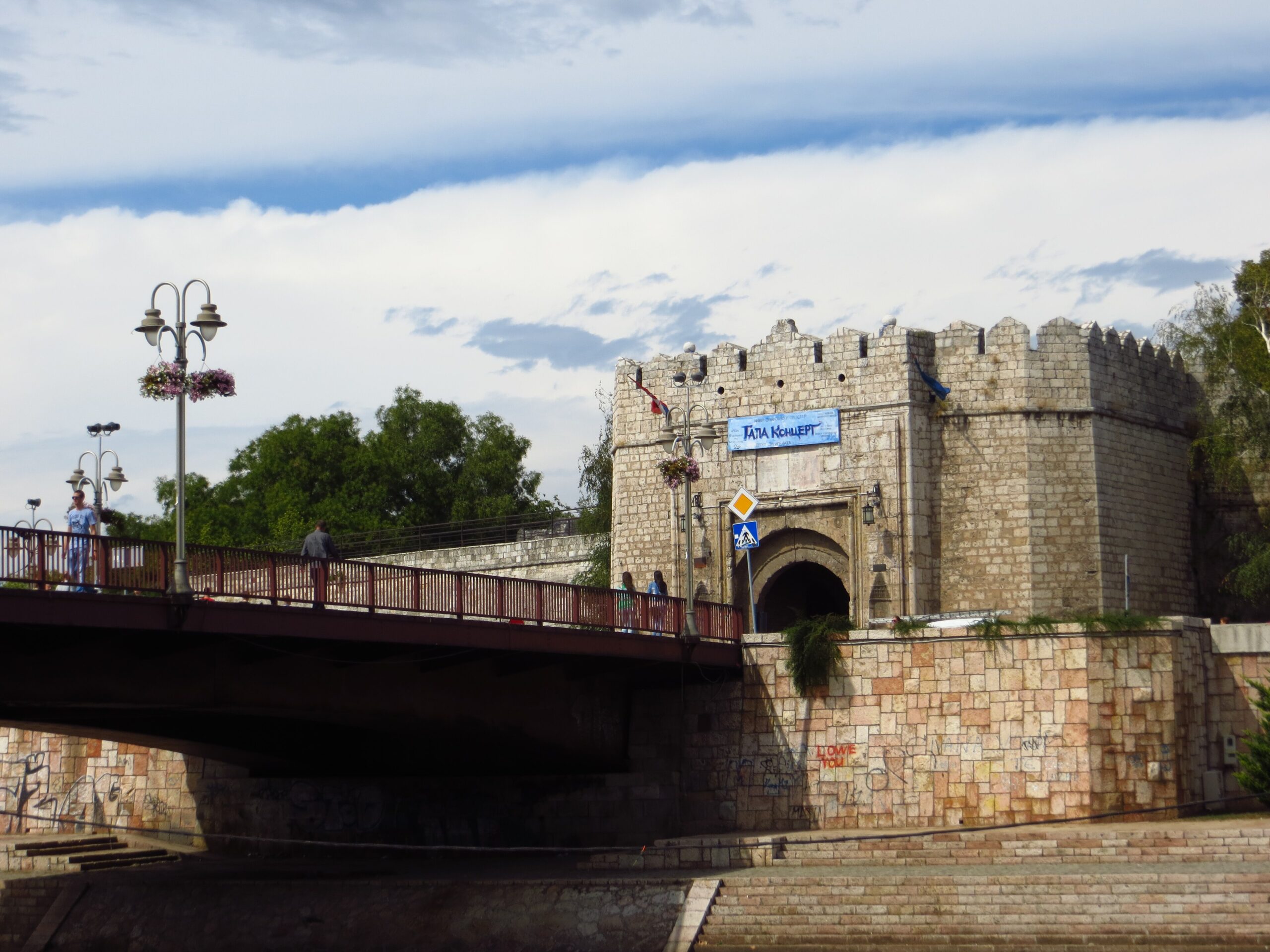
Niš Skull Tower and Mediana reveal two very different chapters of Serbia’s past. One recalls Roman Naissus, the important imperial city associated with Constantine the Great. The other preserves the memory of Serbian resistance during Ottoman rule. Add Niš Fortress between them, and a visit becomes a vivid journey through centuries of Balkan history.
These are not sites to rush through as a checklist. Mediana asks visitors to imagine the comfort and ambition of a late-Roman estate. Skull Tower demands quiet reflection on war, sacrifice and remembrance. The fortress then provides a more relaxed but essential link, standing beside the Nišava River at the heart of the modern city.
Why Niš’s Roman and Ottoman heritage matters
Niš has long mattered because of its position on routes connecting Central Europe, the Balkans and the eastern Mediterranean. In antiquity, it was known as Naissus, a significant Roman settlement with strong imperial connections. Constantine the Great is traditionally associated with the city, although visitors should not treat Mediana as confirmed proof of his birthplace.
Centuries later, Niš became a strategic Ottoman stronghold. Its fortified riverbank, surviving religious architecture and memorial sites show how deeply Ottoman rule shaped the city. Yet the same landscape also holds the story of Serbia’s struggle for independence.
That contrast gives this itinerary its force. Mediana represents the refined world of late Roman power. Ćele Kula, or Skull Tower, confronts visitors with the consequences of rebellion and imperial violence. Niš Fortress sits between those histories, both geographically and emotionally.
Ćele Kula: the moving story behind Skull Tower
Ćele Kula is Niš’s most affecting historic site. Known in English as Skull Tower, it was constructed by Ottoman authorities using the skulls of Serbian rebels who died after the Battle of Čegar in 1809. Today, the remaining structure is protected inside a chapel, creating a solemn setting for a difficult memorial.
The Battle of Čegar and Stevan Sinđelić
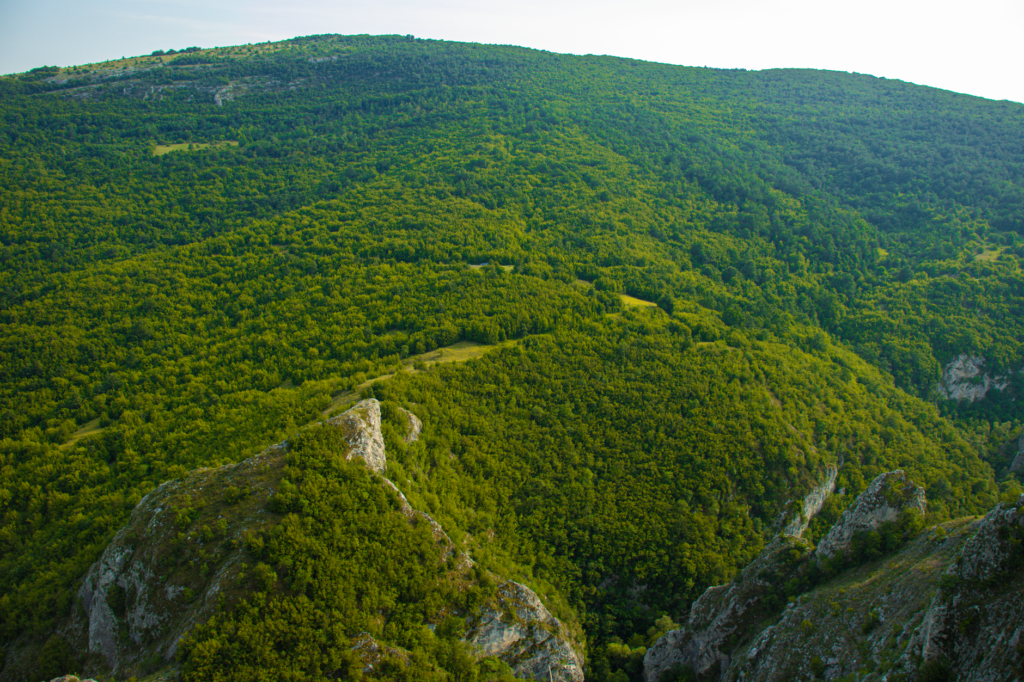
The tower is closely tied to Stevan Sinđelić, a Serbian commander remembered for his role in the battle. Serbian insurgents faced a far larger Ottoman force on Čegar Hill, outside the city. According to the enduring national account, Sinđelić fired into his own ammunition store when defeat became inevitable, killing both Serbian fighters and attacking Ottoman troops.
The Ottoman construction of the tower was intended as a warning. Over time, however, it became a symbol of Serbian endurance and sacrifice. That reversal is central to understanding the site. It is not a curiosity or a spectacle, but a memorial shaped by trauma, resistance and collective memory.
How to approach the visit
Give Skull Tower enough time for the historical story to sink in. The chapel enclosure creates an intimate experience, and the scale can feel more powerful than visitors expect. Read the interpretive material where available, then pause before moving on.
It works especially well as the first stop of a history-focused day. Beginning here gives later visits to the fortress and the city centre a deeper emotional context. If you have extra time and transport, continue to the Čegar Monument, which stands near the battlefield itself.
Mediana: Roman life on the edge of ancient Naissus
Mediana Archaeological Site offers the clearest connection between modern Niš and Roman Naissus. Located beyond the central core, it preserves part of a fourth-century imperial suburb and estate complex. The site is associated with Constantine the Great and the Roman elite who used this area during the later empire.
Rather than a monumental urban forum, Mediana presents a more domestic and ceremonial side of Roman authority. Its remains include a villa complex, baths and fine mosaic floors. Even where only foundations survive, the layout helps visitors picture a well-appointed estate built for comfort, administration and display.
What makes Mediana worth the journey
The mosaics are the highlight. They show the care and wealth invested in an imperial residence, while the bath remains reveal how Roman architecture organised leisure and daily life. Look beyond individual fragments and consider the wider setting: this was part of a prosperous landscape beyond the ancient town.
Mediana also corrects a common impression of Roman sites in the Balkans. Roman history here is not limited to military roads and ruined walls. It included villas, gardens, heating systems, bathing culture and carefully designed interiors. That makes the site an excellent companion to the more defensive mood of Niš Fortress.
Access arrangements at archaeological sites can change, so confirm Mediana’s visitor details before you travel across the city. Once there, take your time. The value lies in understanding the plan of the complex rather than trying to tick off every visible feature.
Niš Fortress: the essential stop between the two
Niš Fortress provides the natural central stop on this route. The present walls are primarily Ottoman in character and stand beside the Nišava River, close to the city centre. Their scale immediately explains why control of Niš mattered for so long.
The fortress is compact enough to explore on foot, yet broad enough to feel like a real fortified district rather than a single monument. Walk through its gates, follow stretches of the walls and notice how the river strengthened the defensive position. The open grounds also offer a welcome change of pace after the intensity of Skull Tower and the archaeological focus of Mediana.
Bali-Bey Mosque and the Ottoman city
Within the fortress complex, Bali-Bey Mosque adds another layer to the Ottoman story. It is a quieter architectural reminder that the fortress was more than a military enclosure. It formed part of a living Ottoman city, with religious, civic and strategic functions.
Even visitors with limited time should include the fortress. It connects the article’s two headline sites in a physical way: Roman Mediana lies beyond the central city, while Skull Tower tells of the nineteenth-century struggle against Ottoman power. The fortress helps make sense of the historical landscape between them.
A sensible route for Skull Tower, Mediana and the fortress
A half-day visit is possible if your time is tight, though a full day gives each place the attention it deserves. The most efficient order often depends on where you are staying and how you are travelling around Niš. Still, the three sites fit naturally into one cultural itinerary.
- Begin at Mediana if you want to focus while fresh on the Roman remains and mosaics.
- Continue to Ćele Kula for the powerful nineteenth-century story of Čegar and Serbian resistance.
- Finish at Niš Fortress with a walk beside the Nišava and time in the central city.
This sequence moves from imperial Roman life to Ottoman-era conflict, then ends in the fortified setting that shaped both the city and its strategic importance. It also leaves you near central Niš, where you can slow down after a history-heavy day.
Visitors who prefer to begin with the strongest emotional experience can reverse the first two stops. Skull Tower early in the day may suit travellers who want to understand Serbian national memory before encountering the city’s wider history. Either way, avoid treating Mediana as an afterthought. It is one of the key reasons Niš stands apart from other Serbian cities.
Go deeper into Niš history
For a fuller understanding of the Battle of Čegar, visit the Čegar Monument outside central Niš. The hilltop memorial stands near the battlefield and gives the events behind Skull Tower a stronger sense of place. It requires separate transport and works best as an additional excursion, not as a replacement for visiting Ćele Kula itself.
The Archaeological Hall of the National Museum Niš is another worthwhile addition. Its Roman-era finds can supply the smaller objects and everyday details that are difficult to grasp at Mediana alone. Visit before Mediana if you enjoy historical context, or afterwards if you want to identify what the site’s fragments represented in daily Roman life.
Those building a wider memorial itinerary may also consider the Red Cross Concentration Camp. This is a major Second World War memorial, separate from the Roman and Ottoman-era route described here. It deserves reflective time and should not be squeezed into an already demanding schedule simply for the sake of completeness.
A city best understood through its layers
Niš rewards visitors who look beyond a single era. At Mediana, Roman mosaics evoke the world of late imperial privilege. At Skull Tower, a small chapel preserves the painful memory of rebellion and repression. At the fortress, Ottoman walls beside the river show why this crossroads city remained so important.
Together, these places create a focused introduction to Niš: not a museum city frozen in one moment, but a place where Roman ambition, Ottoman power and Serbian remembrance remain visible in the landscape.
Tours & experiences for Nis
Popular experiences with current pricing and traveler ratings.
 Free cancellation
Monasteries and Cave Day Tour
 Free cancellation
Nis Sightseeing Tour
 Free cancellation
Devil's Town Day Tour
 Free cancellation
Stara Plana Day Tour
 Free cancellation
Paragliding Experience
 Free cancellation
Niš Private Walking Tour with a Professional Guide
ToursToBalkans may earn a commission when you book through our partner links.