
Best Things to Do in Niš
Explore Niš through its fortress, Roman heritage, powerful memorials, historic streets and deeply satisfying southern Serbian food.
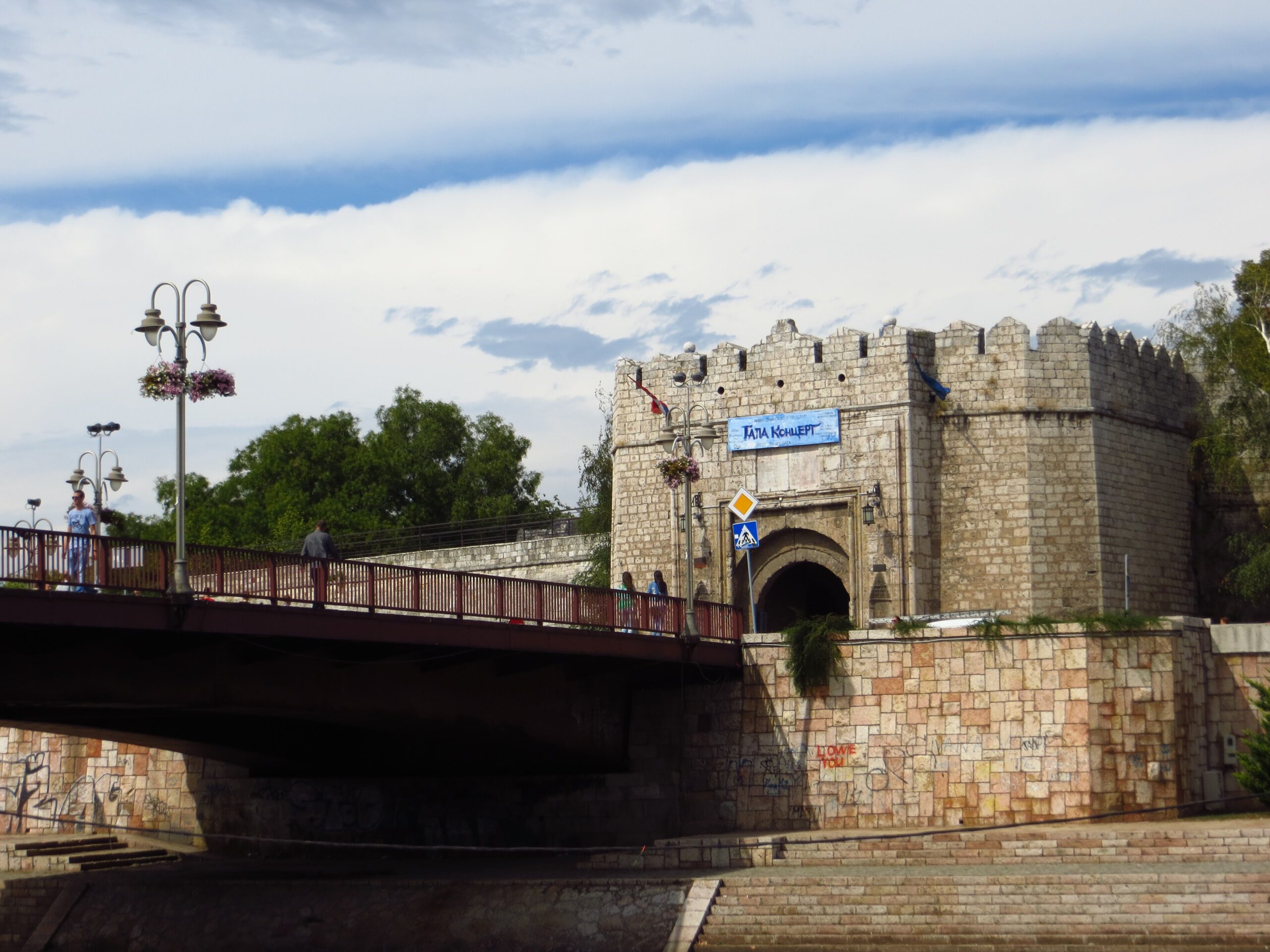
For travelers seeking meaningful things to do in Niš, Serbia’s third-largest city offers an unusually layered short break. Roman emperors, Ottoman builders, Serbian rebels and World War II victims all left their mark here. Add a compact center and a proud southern Serbian food culture, and Niš makes a rewarding destination for one or two days.
Constantine the Great, the Roman emperor associated with the legalization of Christianity, was born in ancient Naissus. That legacy remains central to the city’s identity. Yet Niš is not a museum piece. Its major landmarks sit alongside riverside paths, lively pedestrian streets and traditional kafanas where the grill is taken seriously.
Continue planning with Best Day Trips from Niš.
Begin at Niš Fortress
Niš Fortress is the natural first stop because it gives shape to the city. The imposing stone walls stand beside the Nišava River, close to the walkable center, and their gates lead into a broad green interior with traces from several eras.
The fortress seen today was largely built under Ottoman rule, although the site had strategic importance long before then. Its scale explains why Niš mattered for centuries: this was a crossroads between Central Europe, the Balkans and the eastern Mediterranean.
Walk the walls, gates and riverside
Allow time to approach the fortress from the river and pass through one of its monumental entrances. The setting feels calmer than the traffic of the surrounding city, while the paths provide an easy introduction to Niš’s past.
Inside, look for the Bali-Beg Mosque, a reminder of the Ottoman period. The fortress is best treated as a place to wander rather than a sight to rush through. Afterwards, continue along the Nišava or cross toward the central streets and King Milan Square.
See Roman Niš at Mediana
Mediana Archaeological Site brings the Roman story into focus. This late Roman imperial suburb lies near the city center and is closely connected with Constantine the Great. For anyone interested in antiquity, it is one of the most important things to do in Niš.
The site contains the remains of a villa complex, with archaeological features that reveal the standards of an imperial residence. Its mosaics are the highlight. Even when viewed as fragments, they make the wealth and ambition of Roman Naissus easier to imagine.
Mediana works especially well after the fortress. The two places show different versions of Niš: one a formidable Ottoman stronghold, the other a Roman settlement tied to an emperor whose influence reached far beyond the Balkans. Check access arrangements before setting out, as archaeological sites can have changing visitor conditions.
Understand the uprising at Čegar and Skull Tower
The Čegar Monument and Skull Tower should be visited as connected chapters of the same history. Together, they explain one of the most dramatic events of the First Serbian Uprising against Ottoman rule.
Čegar Monument and the Battle of 1809
Čegar Monument stands on the hill associated with the Battle of Čegar in 1809. It commemorates Serbian commander Stevan Sinđelić and the fighters who resisted a much larger Ottoman force.
According to the defining account of the battle, Sinđelić fired into a gunpowder store when defeat became inevitable, killing both Serbian defenders and Ottoman soldiers who had entered the position. The monument marks that sacrifice and gives visitors views across Niš and its surroundings.
Čegar lies beyond the walkable core, so arrange transport rather than treating it as a casual central stop. Its setting also helps visitors understand the landscape behind the event, not just the memorial that followed.
Skull Tower is a memorial, not a curiosity
After the battle, Ottoman authorities constructed Skull Tower, or Ćele Kula, using the skulls of fallen Serbian rebels as a warning. The monument later became a powerful symbol of Serbian resistance and national memory.
Today, the surviving skulls are preserved within a small chapel-like structure. The experience can be unsettling, and it deserves a quiet, respectful visit. Avoid treating it as a macabre spectacle. Instead, see it as a direct confrontation with the violence of the era and the human cost behind commemorative history.
Visiting Čegar first gives Skull Tower essential context. Without the battlefield memorial, the tower can feel abstract. With it, the two sites tell a coherent and sobering story.
World War II memorials in Niš
Niš’s twentieth-century history is equally important. The city’s World War II memorials address Nazi occupation, detention, persecution and resistance with unflinching seriousness. These are not light sightseeing stops, but they are essential for a fuller understanding of the city.
Red Cross Concentration Camp
The Red Cross Concentration Camp memorial museum occupies the site of a Nazi detention camp. Prisoners included Jews, Roma, Serbian resistance members and other civilians caught in the machinery of occupation.
The preserved buildings and exhibitions make the history immediate. Visit slowly, read the material carefully and allow time afterward to reflect. For many travelers, this is the most emotionally difficult place in Niš, but it is also among the most important.
Bubanj Memorial Park
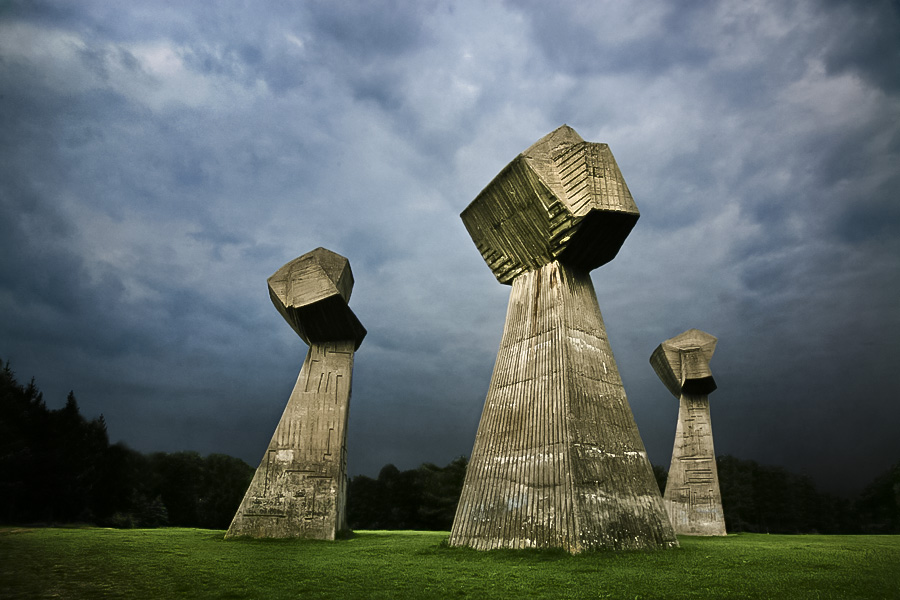
Bubanj Memorial Park complements the camp memorial. It stands at a site of executions during the occupation and is known for its striking Three Fists monument. The three concrete forms represent men, women and children.
The park’s open, quiet setting contrasts with the enclosed camp buildings. It offers space for reflection while commemorating victims of fascism and those who resisted it. If your time is limited, prioritize the Red Cross Concentration Camp, then add Bubanj for a broader sense of Niš’s wartime memory.
Eat in Kazandžijsko Sokače and wander the center
After the city’s powerful historical sites, Niš offers a more relaxed side in Kazandžijsko Sokače. Many visitors know it by its English nickname, Tinkers Alley. This short lane recalls the old crafts quarter, where coppersmiths once worked.
Today it is the place to settle into a traditional kafana. The atmosphere is informal and sociable, with outdoor tables and a sense of old Niš in the surrounding architecture. It is an excellent setting for a southern Serbian meal.
What to eat in Niš
Southern Serbian cooking is rich, direct and strongly connected to the grill. Look for ćevapi, grilled minced-meat sausages; pljeskavica, a seasoned meat patty; and dishes served with flatbread, onions and roasted peppers. Local cheese, salads and ajvar can round out the meal.
Niš is also associated with Niška pljeskavica, often prepared with a spicy kick. If you prefer a slower meal, ask for traditional cooked dishes as well as grilled specialties. The best approach is to share several plates and leave room for a leisurely evening.
From Tinkers Alley, it is an easy walk to King Milan Square, the central point of modern Niš. The Liberation Monument, cafés and nearby pedestrian streets make it a useful orientation point. It is also a pleasant place to see everyday city life after a day of museums and memorials.
How to plan one or two days in Niš
For one full day, focus on Niš Fortress, King Milan Square, Kazandžijsko Sokače and either the Čegar-Skull Tower pairing or the World War II memorials. This gives you a balanced impression of the city without trying to absorb too much difficult history at once.
With two days, add Mediana and devote separate time to the Red Cross Concentration Camp and Bubanj Memorial Park. Then visit Čegar Monument and Skull Tower together. This slower rhythm allows each major period of Niš’s history to register properly.
Niš also works well as a base for exploring southern Serbia, but those excursions deserve their own day rather than being squeezed around the city’s landmarks. Within Niš itself, the strongest itinerary follows a clear thread: Roman origins, Ottoman defenses, uprising memory, wartime remembrance and a final meal in a traditional kafana.
That combination is what makes Niš distinctive. It is a city where history is not confined to one district or one museum. It appears in a fortress gate, an archaeological mosaic, a hillside monument and a quiet memorial room—and then gives way to the warmth of a table set for dinner.
Tours & experiences for Niš
Popular experiences with current pricing and traveler ratings.
 Free cancellation
Nis Sightseeing Tour
 Free cancellation
Devil's Town Day Tour
 Free cancellation
Stara Plana Day Tour
 Free cancellation
Monasteries and Cave Day Tour
 Free cancellation
Paragliding Experience
 Free cancellation
Niš Private Walking Tour with a Professional Guide
ToursToBalkans may earn a commission when you book through our partner links.
Recommended hotels in Niš
Selected well-rated hotels with Agoda booking links.

Current rates and availability are confirmed on Agoda.