
Berat Castle and Old Town: Complete Visitor Guide
Walk Berat’s historic hilltop quarter, understand its layered past, and make time for the Onufri Museum within the castle’s quiet cobbled streets.
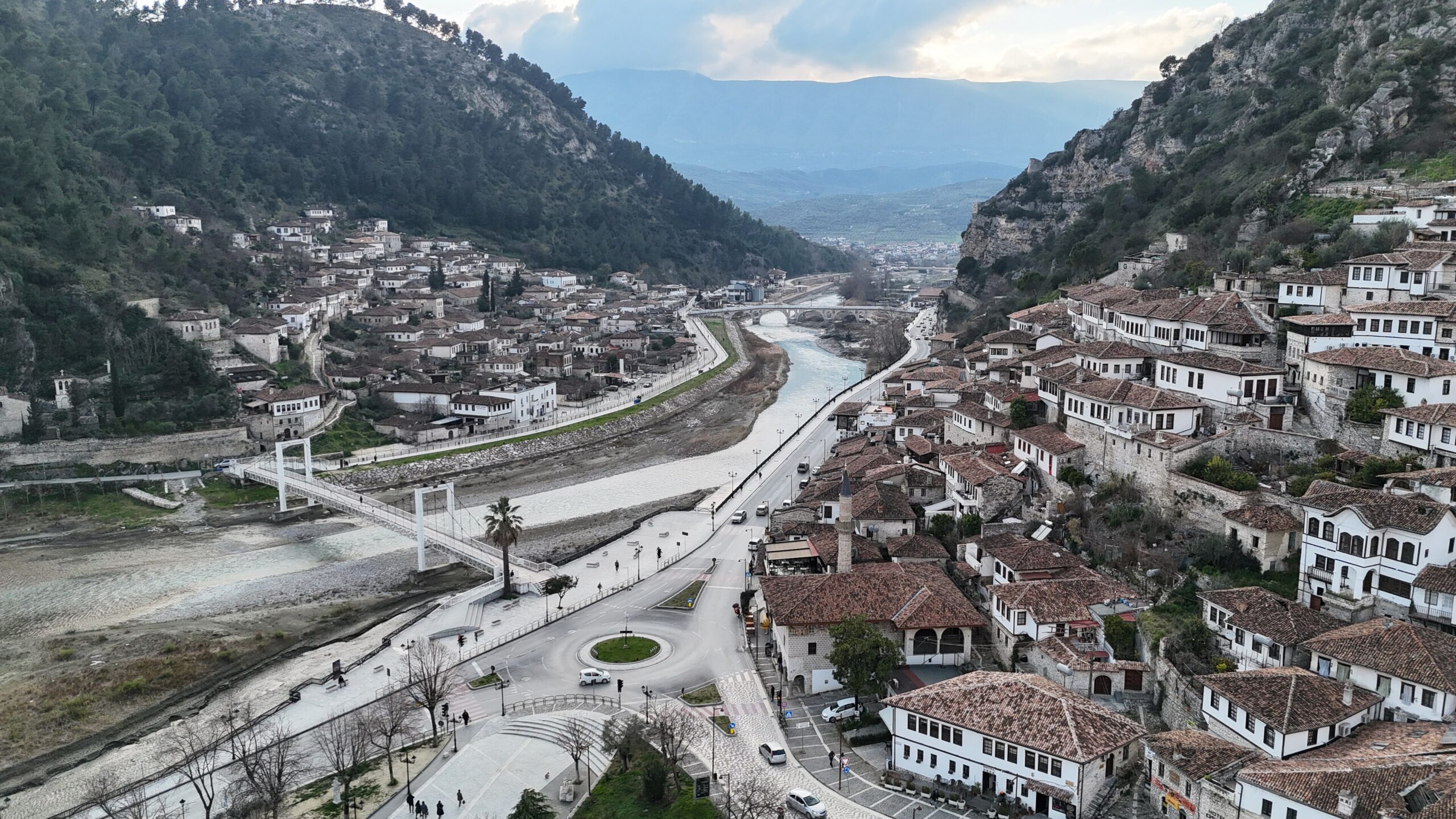
Berat is best understood from above. Berat Castle, also known as the Citadel of Berat and the castle quarter, is a fortress overlooking the town from a hill on the eastern bank of the River Osum. Its elevated position, ancient streets and enduring religious heritage make it the essential starting point for anyone interested in the city’s history.
Start with Berat Castle’s long history
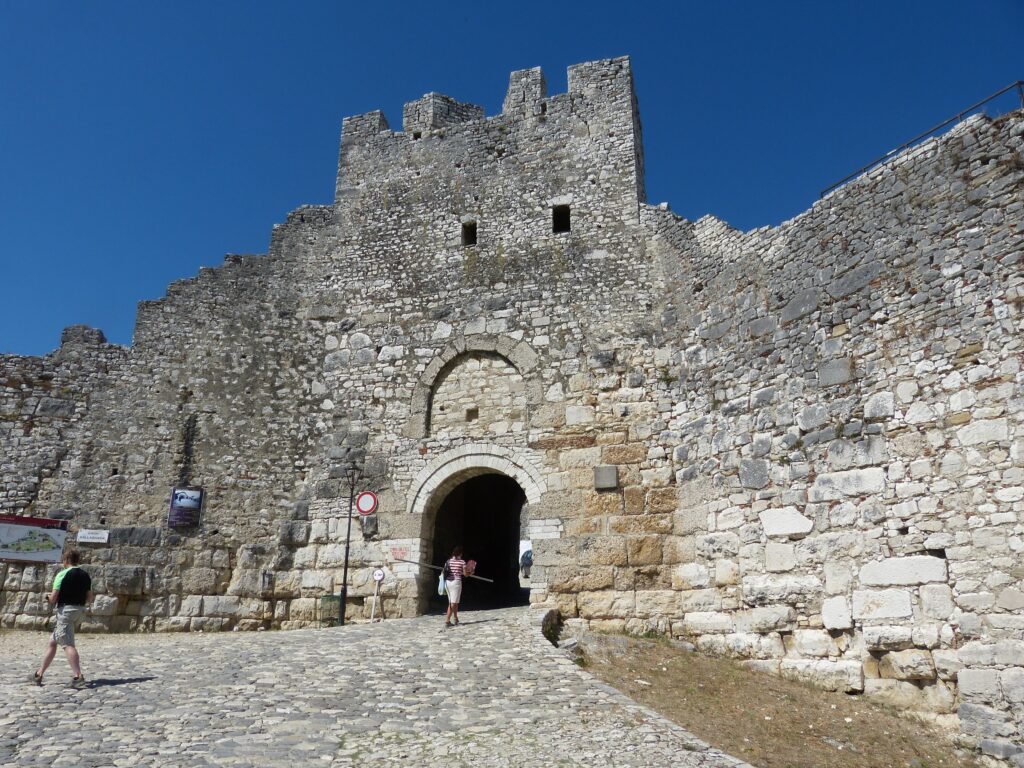
The Castle was mostly built in the 13th century, although its origins reach back to the 4th century BC. That long timeline matters: this is not simply a viewpoint above Berat, but an old inhabited quarter whose lanes and buildings form part of the visit.
Allow time to walk rather than treating the fortress as a quick stop. The cobbled streets are quiet and can feel unexpectedly residential, with courtyards appearing behind close-set buildings. It is easy to lose a little sense of direction here, which is part of the character of the castle quarter; keep your pace unhurried and be respectful around private homes and courtyards.
Visit the Onufri Museum inside the castle quarter
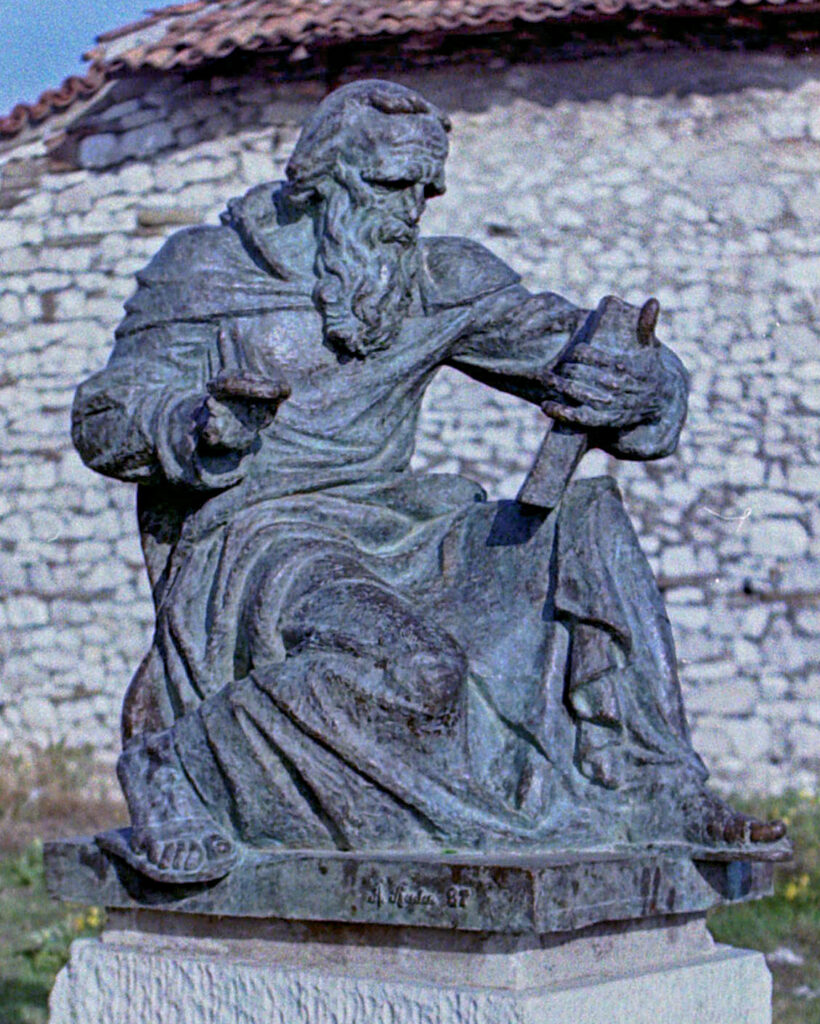
The Onufri Museum is within the Kala quarter, inside its biggest church, the Church of the Dormition of St Mary. Pairing it with a walk through The Castle gives a clearer sense of why Berat has such a strong religious and artistic identity.
The museum is associated with Onufri, who founded a school of painting in Berat and extended his influence as far as Kastoria. Trained in Venice, he brought the artistic climate of the Italian Renaissance into Albanian icon painting. For visitors, this makes the museum more than a pause between castle lanes: it is a direct connection to an artistic tradition shaped in Berat and reaching beyond it.
Read the Old Town from the hillside
From the castle hill, look down across Berat’s rising houses. The town is widely known as the “city of a thousand windows,” a description inspired by the many windows set into whitewashed walls. On the slopes, the buildings rise one above another, creating the layered view that gives Berat much of its visual appeal.
The town’s built character reflects both Ottoman and Byzantine influences. Byzantine churches and Ottoman mosques are part of the wider cityscape, reflecting the region’s historical religious and cultural communities. Rather than rushing between individual sights, use the castle visit to notice this larger relationship: the hilltop fortress above, the river below, and the densely built slopes connecting them.
Plan a slower walk through Berat
For the best experience, make The Castle the main part of a wider walking day in Berat. Begin uphill while you have energy, spend time in the Onufri Museum, then wander the cobbled lanes without trying to follow a rigid route. Later, return to the town below and take in the hillside view of whitewashed buildings and their many windows.
Berat Castle rewards attention to small details: a turn in a narrow path, a courtyard beyond a gateway, and the contrast between fortress walls and a living neighbourhood. It is a place to walk slowly, look carefully and let the city’s long history reveal itself gradually.
Before You Go
Opening times, access rules, tickets and seasonal services can change. Check current official information before travel, especially for anything time-sensitive.
Tours & experiences for Berat
Popular experiences with current pricing and traveler ratings.
 Free cancellation
Osumi Canyon: Rafting/River Tubing.
 Free cancellation
Explore, Swim & Float in Osumi Canyon
 Free cancellation
Authentic Local Wine Tasting and Winery Tour
 Free cancellation
Berat Rafting Osumi Canyon River Tubing
 Free cancellation
Osumi Canyon Swim, Float, Explore & Bogove Waterfall
ToursToBalkans may earn a commission when you book through our partner links.
Recommended hotels in Berat
Selected well-rated hotels with Agoda booking links.

Current rates and availability are confirmed on Agoda.