
Belgrade, Serbia: Complete Travel Guide to the Capital of Serbia
Belgrade is the capital and largest city of Serbia, set where the Sava and Danube rivers meet. For travelers, it is much more than Serbia’s administrative centre: Belgrade is a lively Balkan city break with a fortress, historic neighborhoods, riverfront areas, museums, Serbian food and one of the region’s best-known nightlife scenes. This Belgrade travel […]
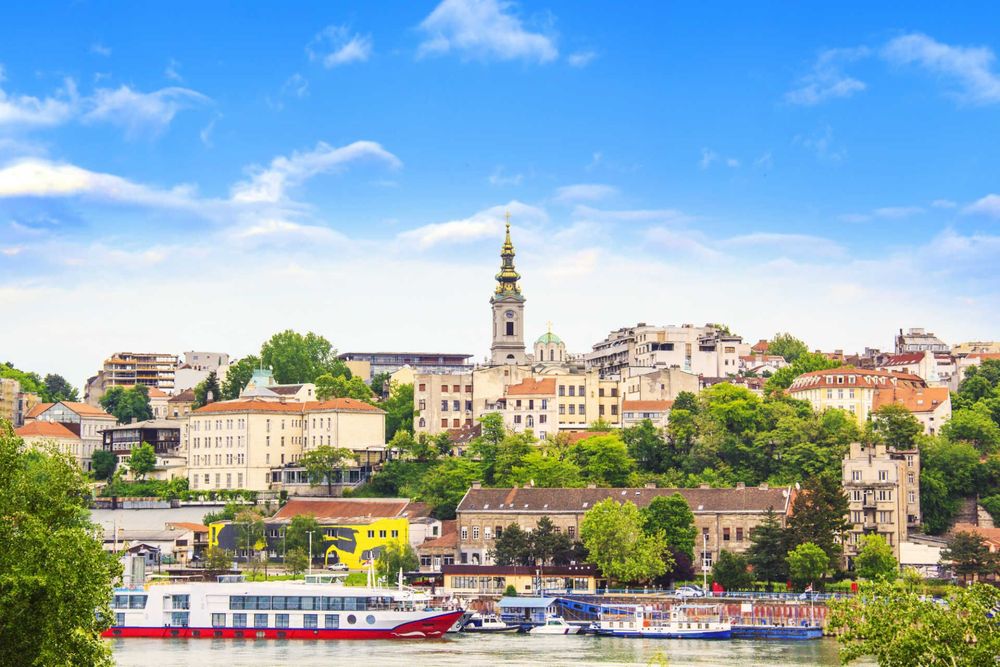
Belgrade is the capital and largest city of Serbia, set where the Sava and Danube rivers meet. For travelers, it is much more than Serbia’s administrative centre: Belgrade is a lively Balkan city break with a fortress, historic neighborhoods, riverfront areas, museums, Serbian food and one of the region’s best-known nightlife scenes.
This Belgrade travel guide is designed for a first visit. Use it to decide what to see, how many days to stay, where to base yourself and how to combine Belgrade with other destinations in Serbia.
Belgrade at a glance
- Country: Serbia
- Best for: city breaks, history, food, nightlife and Danube travel
- Recommended stay: 2–3 days for a first visit
- Good combination: Novi Sad and northern Serbia
Is Belgrade the capital of Serbia?
Yes. Belgrade is the capital city of Serbia and the country’s main political, cultural and economic centre. Its position at the confluence of the Sava and Danube has shaped the city for centuries and remains one of the defining features of a visit today.
Best things to do in Belgrade
1. Explore Belgrade Fortress and Kalemegdan
Belgrade Fortress is the natural place to begin. The fortress and Kalemegdan park overlook the meeting point of the Sava and Danube and combine history, open space and some of the city’s most recognizable views.
2. Walk Knez Mihailova Street
Knez Mihailova is the main pedestrian axis of central Belgrade. It links the central city with Kalemegdan and is surrounded by cafes, shops, historic façades and side streets worth exploring.
3. Spend time in Skadarlija
Skadarlija is one of Belgrade’s best-known historic quarters. Come for the cobbled street atmosphere, traditional restaurants and an easy introduction to Serbian food and music culture.
4. Visit the Church of Saint Sava
The Church of Saint Sava is one of Belgrade’s major landmarks and an important stop beyond the immediate pedestrian centre. Combine it with nearby neighborhoods rather than treating it as an isolated photo stop.
5. Discover Zemun
Zemun has a different rhythm from central Belgrade, with Danube views, older streets and a strong riverside atmosphere. It works well for a slower afternoon or evening.
6. Add a museum
Belgrade has several museums that can add context to the city’s history, science, art and twentieth-century story. Choose according to your interests and current opening schedules.
Best neighborhoods and areas for a first visit
For a short trip, central Belgrade is the easiest base because Knez Mihailova, Republic Square and Kalemegdan are close together. Skadarlija is useful for atmosphere and restaurants, while Zemun is better for travelers who want a quieter riverside feel.
Where to stay in Belgrade
First-time visitors usually benefit from staying close to the central pedestrian area or in a well-connected nearby neighborhood. This reduces transport time and makes it easier to explore the centre early in the morning and again in the evening.
Belgrade tours and experiences
A guided experience can be useful if you want more historical context, a focused food experience or an efficient introduction to the city. Compare the route and inclusions before booking.
Top Experiences
Hand-picked experiences with live pricing and traveler ratings.
 Free cancellation
Along the Danube: Golubac Fortress & Iron Gate Gorge day trip from Belgrade
 Free cancellation
Northern Serbia: Sremski Karlovci and Novi Sad Full-Day Tour from Belgrade
 Free cancellation
Day Trip from Belgrade: Gems of Eastern Serbia
 Free cancellation
Novi Sad and Fruska Gora wine region Full-Day Tour from Belgrade
 Free cancellation
From Belgrade: Best of East (Resava Cave & Lisine Waterfall)
 Free cancellation
Belgrade Panoramic Cruise Along the Sava and Danube Rivers
ToursToBalkans may earn a commission when you book through our partner links.
What to eat in Belgrade
Food is a major part of a Belgrade trip. Look beyond one traditional meal and use the city to try grilled dishes, baked specialties, local desserts and contemporary Serbian restaurants.
How many days do you need in Belgrade?
Two days are enough for the main central sights, Kalemegdan, one or two neighborhoods and a good introduction to Serbian food. Three days are better if you want museums, Zemun, nightlife or a slower pace.
Best time to visit Belgrade
Spring and autumn are excellent for walking and outdoor sightseeing. Summer has a lively riverfront and nightlife atmosphere, while winter works well for a shorter culture- and food-focused city break.
How to get around Belgrade
The historic centre is walkable, but Belgrade is larger than many Balkan old towns. Group sights by neighborhood and use public transport or taxis for longer distances.
Belgrade nightlife
Belgrade has a long-standing reputation for nightlife, from bars and live music to late-night venues. The scene changes over time, so use current local information rather than relying on old venue lists.
Best day trips from Belgrade
Novi Sad is the most natural major-city addition to a Belgrade itinerary. Travelers with more time can also explore the Danube corridor, Sremski Karlovci or other parts of Serbia.
Plan Belgrade as part of a Serbia trip
Continue with our Serbia destinations guide or explore the dedicated Belgrade destination page for bookable travel options and related content.
Belgrade FAQ
What is the capital of Serbia?
Belgrade is the capital and largest city of Serbia.
Is Belgrade worth visiting?
Yes. Belgrade is especially strong for history, food, nightlife, river scenery and a lively Balkan city-break atmosphere.
How many days are enough for Belgrade?
Two to three days are ideal for most first-time visitors.
Is Belgrade walkable?
The central sights are very walkable, although some important areas are far enough apart that public transport or a taxi can save time.
Can I combine Belgrade and Novi Sad?
Yes. They are one of the easiest city combinations for a first trip to Serbia.