
Best Things to Do in Zadar
Explore Zadar’s essential waterfront, Roman heritage and island escapes, from the Sea Organ at sunset to a Kornati National Park boat trip.
The best things to do in zadar bring together a remarkably walkable Old Town and one of the Adriatic’s most atmospheric waterfronts. This is a city of Roman stones, medieval churches and sea-facing public art, with the Kornati islands waiting beyond the harbour. For a first visit, focus on the historic peninsula, leave time for the Riva at dusk and consider reserving a full-day boat excursion.
Continue planning with Best Zadar Tours & Experiences and Best Day Trips from Zadar.
Why Zadar makes such a strong first impression
Zadar Old Town occupies a compact peninsula, so its major sights unfold naturally on foot. Ancient ruins sit beside early medieval architecture, while narrow lanes open onto formal squares, café terraces and the broad Adriatic promenade.
Its defining feature is the contrast between the past and the shoreline. You can spend the afternoon among the remains of the Roman civic centre, then walk west to the Zadar Riva as the light softens over the water. That simple progression captures what makes the city special.
Plan to wander rather than rush. The Old Town rewards detours, but its essential landmarks are close enough to fit comfortably into a day. A second day creates space for museums, swimming or an island outing.
Experience Zadar’s waterfront at sunset
Listen to the Sea Organ
The Sea Organ is Zadar’s signature experience and the best reason to make time for the western end of the Riva. Beneath its long marble steps, a system of pipes uses the movement of waves to create low, shifting notes. The sound changes with the sea, so there is no fixed composition and no identical visit.
It is both an artwork and a place to pause. Sit on the steps, look across the water and let the sound become part of the setting. It works at any point in the day, yet the waterfront feels especially compelling in the evening, when locals and visitors gather along the promenade.
See the Greeting to the Sun after dusk
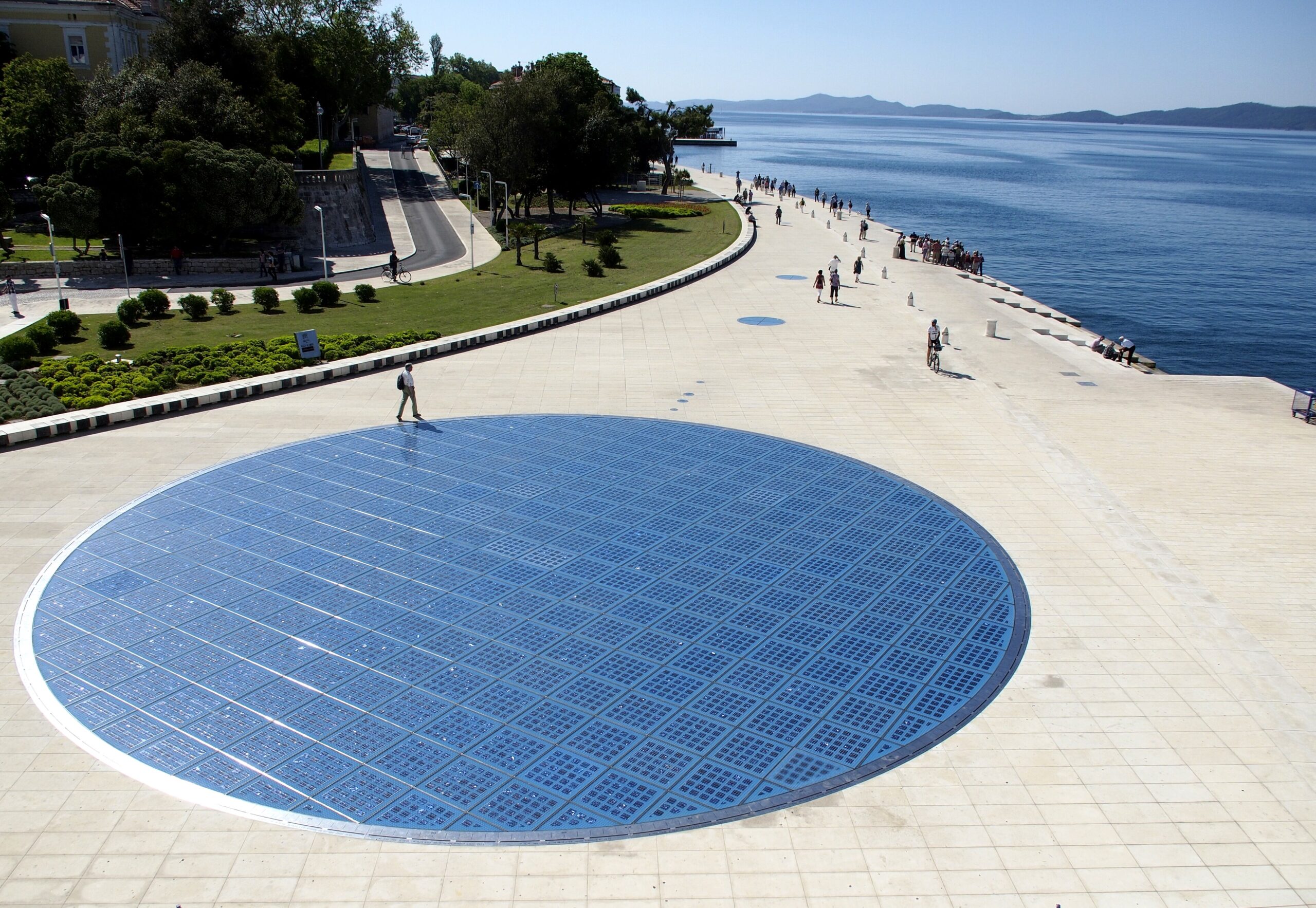
Next to the Sea Organ lies the Greeting to the Sun, a circular installation set into the pavement. Its solar panels collect energy during daylight, then illuminate after dark in changing patterns. Together, the two works turn a simple seafront walk into Zadar’s most distinctive ritual.
Do not treat it as a quick photo stop. Stay long enough to enjoy the gradual transition from daylight to evening. The experience depends on natural light and conditions, which is part of its appeal.
Walk the Zadar Riva
The Zadar Riva connects these installations with harbour views and a generous sense of open space. It is the right place for a slow walk before dinner, particularly after exploring the denser streets of the Old Town. Watch boats move through the channel and look towards the islands on the horizon.
If your schedule is tight, make the Riva your priority. Zadar has many worthwhile historic sights, but nowhere else combines the city’s relaxed coastal character with such inventive public art.
Discover the Roman and medieval heart of the Old Town
Church of St. Donatus and the Roman Forum
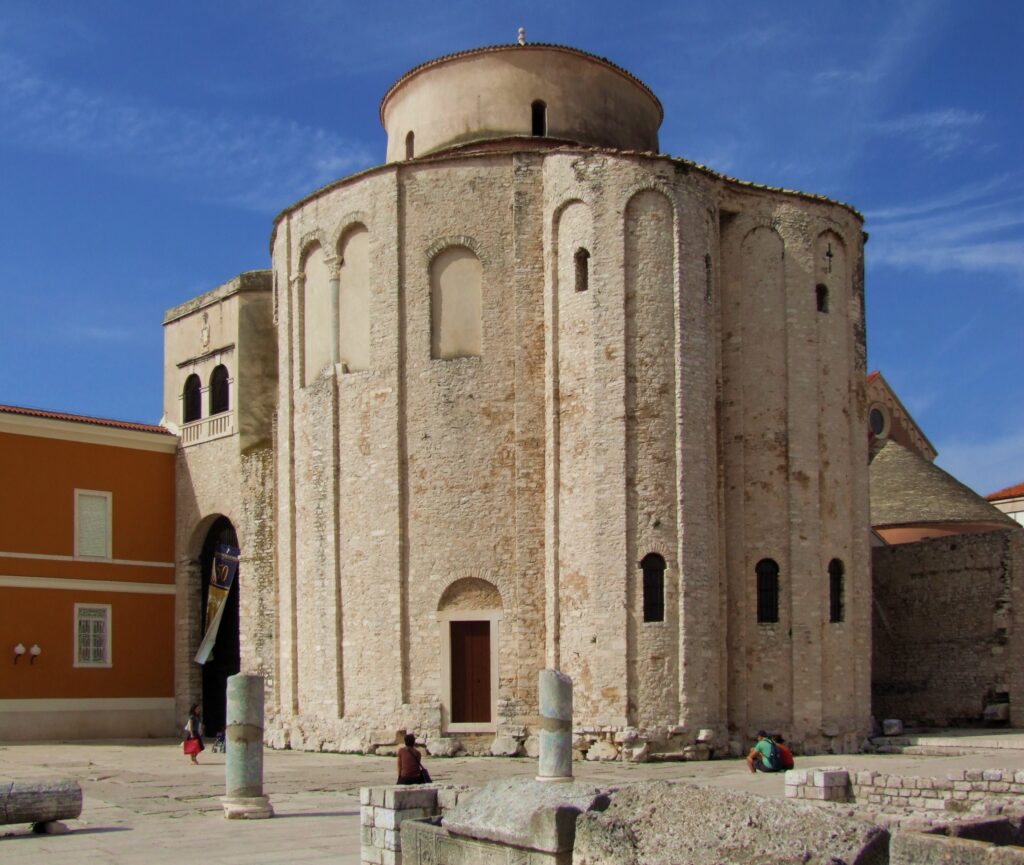
The Church of St. Donatus is the visual anchor of Zadar’s historic core. Built in the ninth century, this imposing circular church has a powerful simplicity that stands apart from the more ornate buildings found in many Adriatic towns. Its broad, pale stone form is one of Croatia’s most recognizable early medieval monuments.
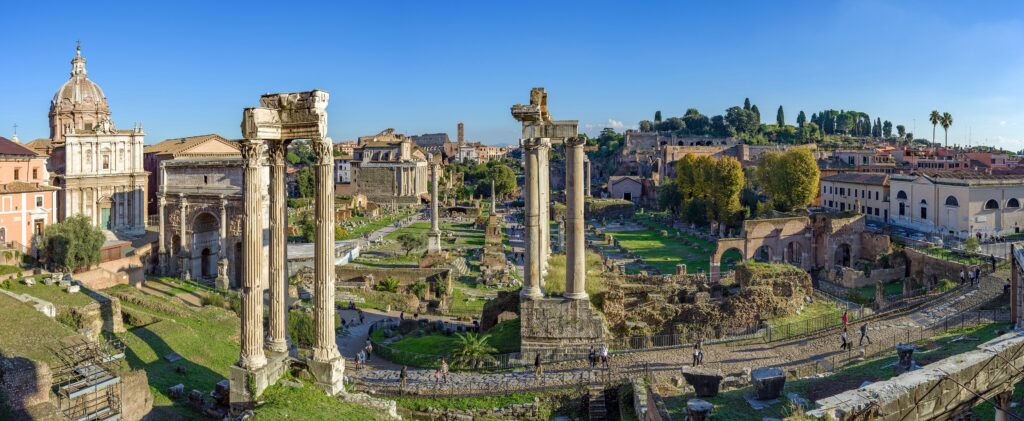
Just beside it, the Roman Forum reveals the much older city beneath. This was once Zadar’s ancient civic centre. Today, columns, paving fragments and broken stonework remain in the open air, allowing you to trace the outline of Roman public life without entering a formal archaeological enclosure.
The two sites make more sense together than separately. The Forum shows the Roman foundation; St. Donatus shows how later Zadar reused and reshaped that inheritance. Look closely and you may notice Roman material incorporated into the church’s fabric.
Climb towards the Cathedral of St. Anastasia
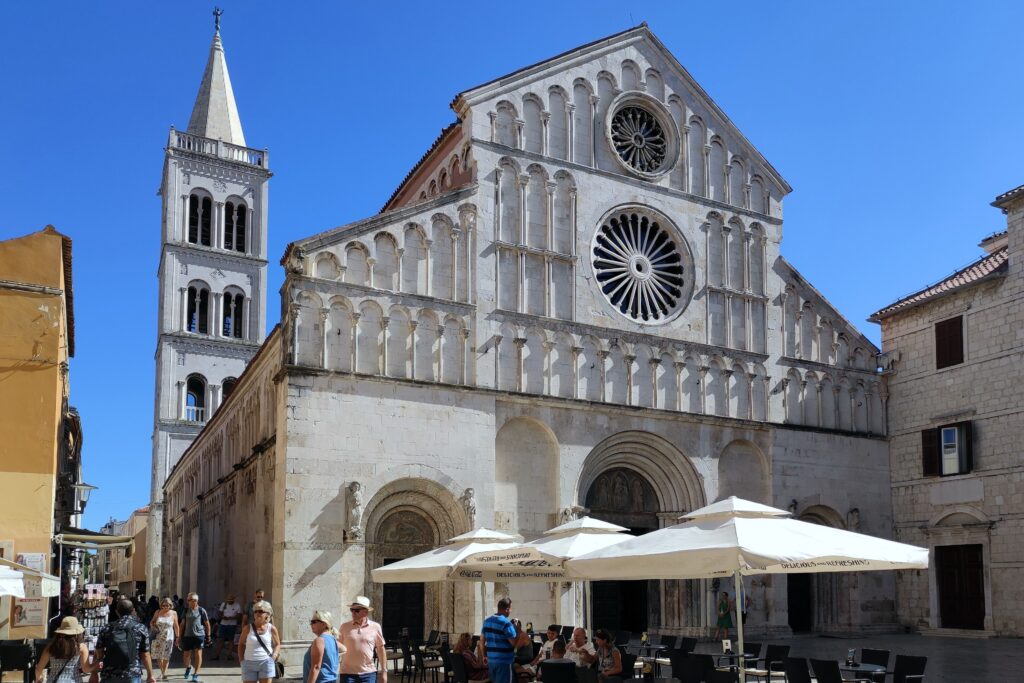
Close to St. Donatus, the Cathedral of St. Anastasia adds another important layer to the same short walk. Its Romanesque façade is a highlight in its own right, with sculpted details that reward a slower look. The cathedral’s bell tower is also known for views over the Old Town and surrounding coast, although access arrangements should be confirmed locally.
This cluster is ideal for travelers who want the city’s history in a concentrated form. In little more than a few streets, you move from Roman ruins to an early medieval rotunda and a grand medieval cathedral.
Pause in the squares and walk to Five Wells
People’s Square, or Narodni trg, offers a livelier side of central Zadar. Civic buildings frame the square, while cafés make it a natural place to stop between sights. It is less monumental than the Forum, but it shows the everyday rhythm of the pedestrian Old Town.
From there, continue towards Five Wells Square. Its five wells formed part of a Venetian-period water system, supplied by large cisterns. The square also sits near Queen Jelena Madijevka Park and the old defensive zone, making it a satisfying stop for those interested in how Zadar protected and sustained itself over centuries.
Choose one focused cultural stop
Travelers interested in the ancient world should consider the Museum of Ancient Glass. Its collection centres on Roman glass, from delicate vessels to objects connected with daily life and adornment. The museum is a focused choice rather than an essential stop for every itinerary, but it gives valuable context to the Roman remains outside.
Demonstrations and access details can vary, so check locally if glassmaking is a particular interest. Otherwise, enjoy the museum as a thoughtful rainy-day option or a break from the midday heat.
The Arsenal is another historic waterfront structure worth noticing as you explore. It reflects Zadar’s long maritime history and often feels more like part of the city’s fabric than a stand-alone attraction. Keep the main emphasis on the Riva, Forum and St. Donatus if this is your first visit.
Take a Kornati National Park boat excursion
A Kornati National Park boat trip is Zadar’s defining day beyond the city. The Kornati archipelago is a maze of stark, low islands, rocky channels and clear water. Its beauty is very different from the green, pine-covered image many visitors expect from the Croatian coast.
This is a boat-based day out, not an attraction you can casually add after lunch. Reserve most of a day for the journey and view it as a change of pace from Zadar’s urban history. Many excursions include time on or near the water, though routes, landing points and swimming opportunities depend on the operator and sea conditions.
A guided trip is often the simplest choice, especially for first-time visitors. It removes the challenge of arranging boat logistics and can add local perspective on the islands’ geology, settlements and protected landscape. When choosing an excursion, consider the overall route, time ashore and the style of boat rather than selecting only on the basis of a short description.
If a full Kornati day feels too ambitious, Ugljan Island is a gentler alternative across the channel from Zadar. It offers a closer island atmosphere and can suit travelers who prefer a shorter escape. It should still be treated as an outing beyond the city rather than an Old Town sight.
Make the most of your time in Zadar
If you have one day
Spend the earlier part of the day around the Roman Forum, Church of St. Donatus and the Cathedral of St. Anastasia. Continue through People’s Square and Five Wells Square, allowing time for coffee or a relaxed lunch. In late afternoon, return to the Zadar Riva and settle in near the Sea Organ before dusk.
If you have two days
Keep one day for the Old Town and waterfront, then use the other for Kornati National Park. This balance gives Zadar both of its defining dimensions: a historic Adriatic city and a gateway to an extraordinary island landscape.
For a slower coastal break
Kolovare Beach can provide an easy beach pause near the city, particularly if you want a swim without committing to a boat trip. Still, the waterfront installations and historic peninsula remain the experiences that most clearly define Zadar.
Ultimately, Zadar is not a destination that demands a long checklist. Walk its Roman and medieval core, linger on the Riva as evening arrives and get out to sea if time allows. Those choices reveal the city at its best.
Tours & experiences for Zadar
Hand-picked experiences with live pricing and traveler ratings.
 Free cancellation
Zadar: 3 Islands Luxury Boat Tour with Aperol Spritz & Snorkeling
 Free cancellation
Private Boat Tour To Pakleni Islands and Red Rocks
 Free cancellation
Zadar: The Best of Dugi Otok - Shipwreck, Sandy Beach & Sea Cave
 Free cancellation
Panorama guided Zadar Eco Tuk Tuk tour
 Free cancellation
Zadar: Traditional Boat Tour with Unlimited Wine and 3 Stops
 Free cancellation
Zadar: City and Wine Tour in Zadar with Eco Tuk Tuk
ToursToBalkans may earn a commission when you book through our partner links.
Recommended hotels in Zadar
A smaller selection of better-rated hotels with established review history and Agoda booking links.
 8.5
8.5
 8.5
8.5
Hotel Donat
Experience an abundance of unparalleled facilities and features at Hotel Donat. Maintain seamless communication using…
 8.6
8.6
Selection favors established hotels with stronger ratings, review volume and usable imagery. Final rates and availability are shown by Agoda.