
Tetovo’s Painted Mosque and Arabati Baba Tekke: How to Visit Both
Discover Tetovo’s richly decorated Painted Mosque and peaceful Arabati Baba Tekke on a short, respectful cultural walk through the city.
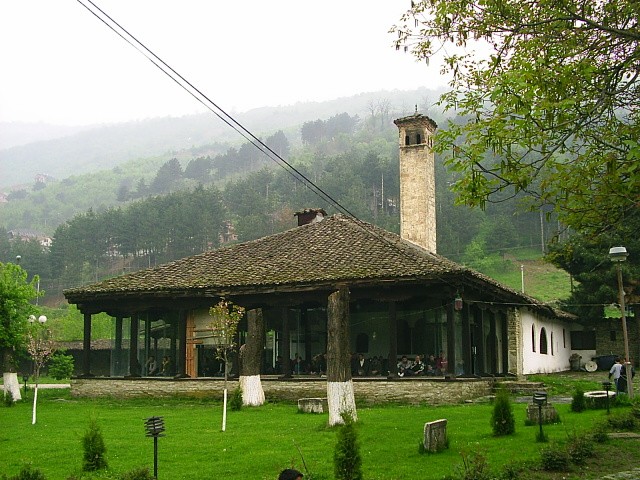
The Tetovo Painted Mosque and Arabati Baba Tekke make one of North Macedonia’s most rewarding short cultural visits. These two Ottoman-era landmarks reveal different expressions of Islamic heritage: one is a vibrant Sunni mosque filled with colour, while the other is a serene Bektashi Sufi lodge shaped around courtyards, gardens and communal life.
Both lie close to Tetovo’s central streets, so they work well as a half-day visit or a meaningful stop while travelling between larger Balkan destinations. The contrast is the point. At the Painted Mosque, decoration commands your attention. At Arabati Baba Tekke, the atmosphere encourages you to slow down and look closely.
Continue planning with North Macedonia.
Why Tetovo’s two sacred sites belong together
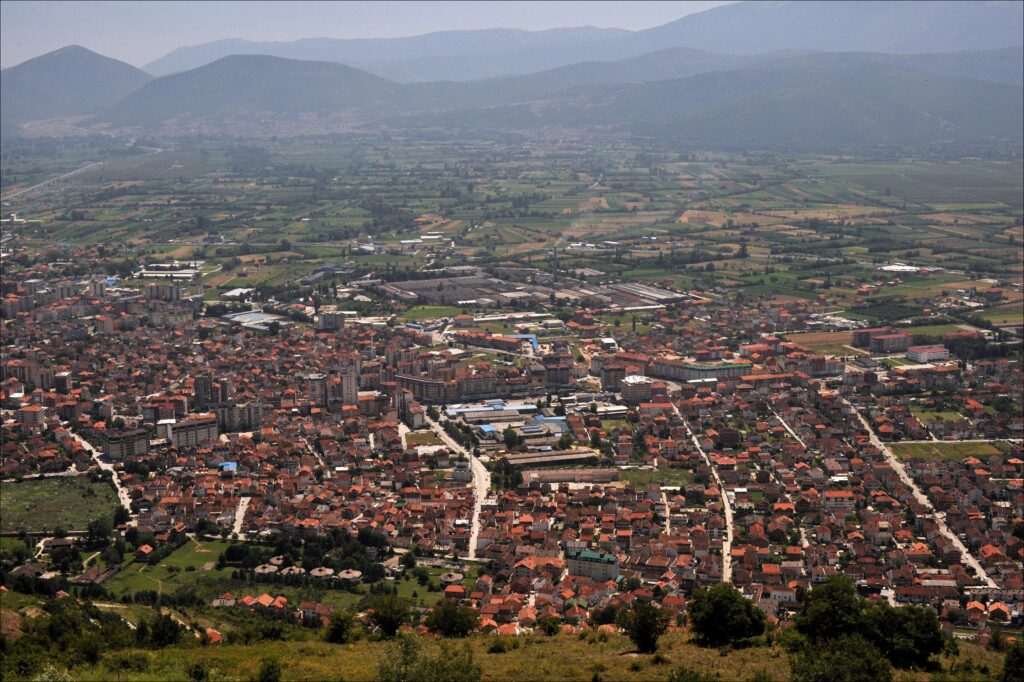
Tetovo has long been a place where communities, languages and religious traditions meet. Its best-known historic sites reflect that layered identity without requiring a long list of monuments or a complicated itinerary.
Šarena Džamija, usually called the Painted Mosque, is Tetovo’s visual landmark. Its facade is covered in painted floral, geometric and architectural motifs. Inside, the decoration continues across walls, ceilings and galleries, creating a richly patterned space unlike the plain white interiors many travellers expect from an Ottoman mosque.
Arabati Baba Tekke offers a quieter counterpoint. A tekke is a lodge associated with a Sufi religious order. This complex is connected with the Bektashi tradition, a spiritual path with its own rituals, symbols and community life. The setting feels less like a single monumental building and more like a small sacred compound.
Visiting both places brings Tetovo’s religious heritage into focus. They should not be treated as competing attractions. Instead, they offer two distinct ways of understanding faith, art and daily life in the city.
Šarena Džamija: Tetovo’s Painted Mosque
A mosque built to be seen
The Painted Mosque dates to the 15th century, while much of its celebrated decorative character comes from later, 19th-century work. From outside, its painted surfaces immediately set it apart. Look closely at the facade and you will see motifs that combine stylised flowers, repeating geometry, ornamental borders and architectural illusion.
The vivid palette is not merely decorative excess. It turns the building itself into a statement of devotion, skill and patronage. The mosque’s painters used colour and pattern to create a sense of movement across the exterior, even though the structure remains firmly rooted in traditional Ottoman design.
Allow time to circle the building rather than taking one quick photograph from the entrance. The minaret, windows, painted panels and surrounding grounds each offer different perspectives. Light can alter the appearance of the colours, especially on the detailed outer walls.
What to notice inside
If the interior is open to visitors and entry is appropriate, the decoration becomes even more immersive. Painted ornament covers broad surfaces, while the prayer hall retains the order and purpose of an active mosque. The interior is not a museum display. It is a place used for worship.
Notice how floral designs sit beside geometric forms and painted architectural details. The richness may feel almost theatrical, yet the arrangement still directs attention towards the prayer space. This balance between ornament and spiritual function gives the mosque its special character.
Dress modestly for your visit. Cover shoulders and knees, and follow any request concerning head coverings or footwear. Shoes are commonly removed before entering prayer areas. Avoid entering during prayer unless you are clearly welcomed to do so, and keep conversation low.
Arabati Baba Tekke and the Bektashi tradition
From the Painted Mosque, continue through Tetovo’s central area towards Arabati Baba Tekke. The transition is part of the experience. Busy streets, cafés and everyday city life gradually give way to a more enclosed, contemplative setting.
Arabati Baba Tekke is an Ottoman-era Bektashi complex, traditionally associated with dervish life. The Bektashi Order is a Sufi tradition within Islam, known across parts of the Balkans and beyond. Its lodges historically served as places for worship, learning, hospitality and gathering.
Courtyards, pavilions and quiet details
The tekke is best appreciated slowly. Its appeal lies in the relationship between its buildings, open courtyards, mature greenery and wooden structures. A wooden pavilion is among the most memorable features, with its finely worked details and graceful presence within the compound.
Unlike the Painted Mosque, the tekke does not rely on a single spectacular facade. It rewards attention to smaller elements: gateways, rooflines, shaded corners, water features where present, and the changing views between buildings. The space suggests a way of life built around reflection and community.
Access at the tekke can vary according to religious activity, caretakers and conditions on the day. You may be able to enter certain areas, or you may need to admire the complex mainly from its courtyards and exterior spaces. Treat this flexibility as part of visiting a living heritage site rather than a guaranteed sightseeing experience.
Respect matters here as much as it does at the mosque. Do not assume that every room is open, and do not step into private or clearly restricted areas. Ask before photographing interiors, religious objects or people who are present.
A simple walking route through central Tetovo
The easiest approach is to make the Painted Mosque your first major stop, then walk through Tetovo city centre towards Arabati Baba Tekke. This creates a natural route through the compact central streets without turning the visit into a rushed checklist.
Begin with the mosque when you have time to observe its exterior carefully. If entry is possible, give the interior the same unhurried attention. Afterwards, walk through the centre at an easy pace. Tetovo’s cafés and local dining places can provide a pleasant pause between the two sites.
Leave enough time for the tekke, particularly if you enjoy architecture, photography or quiet historic spaces. The courtyard setting encourages a slower visit than the mosque, where access may be shaped more directly by worship times.
There is no need to force a strict schedule. The important thing is to remain adaptable. If the mosque is busy with worshippers, visit the tekke first and return later. If the tekke’s interior spaces are not accessible, spend longer studying its exterior details and gardens.
Faith, etiquette and photography
These are sacred places, not just historic backdrops. A respectful approach will make your visit smoother and more meaningful.
- Wear modest clothing that covers shoulders and knees.
- Remove shoes where requested, especially before entering prayer spaces.
- Keep your voice low and silence your phone.
- Do not walk in front of people who are praying.
- Ask before taking photographs of worshippers, caretakers or sacred interiors.
- Follow any instructions given at the entrance, even if they differ from another visitor’s experience.
Photography of the Painted Mosque’s exterior is usually a central part of a visit, but the interior deserves extra care. At Arabati Baba Tekke, ask before photographing within enclosed rooms or near objects connected with religious practice. Courtesy is more important than getting every image.
Beyond the mosque and tekke
If you have more time in Tetovo, Kale, the town’s fortress, adds a different perspective. The remains sit on a hill above the city and are best approached as a viewpoint rather than a fully restored monument. It is a separate uphill outing, so include it only if you want broader views of Tetovo and its mountain-framed setting.
For a longer excursion, Lesok Monastery offers another religious and historic stop beyond the centre. Popova Šapka, higher in the Šar Mountains, is better suited to travellers extending their stay for mountain scenery and outdoor time.
Still, Tetovo’s essential cultural experience remains this pairing: the bold, painted artistry of Šarena Džamija and the calm, layered spaces of Arabati Baba Tekke. Together, they offer a concise but deeply revealing introduction to the city.