
Tito’s Bunker near Konjic: How to Visit ARK D-0 and Plan the Trip
Explore Yugoslavia’s secret Cold War command bunker, arrange a guided visit, and build a rewarding half-day around historic Konjic.
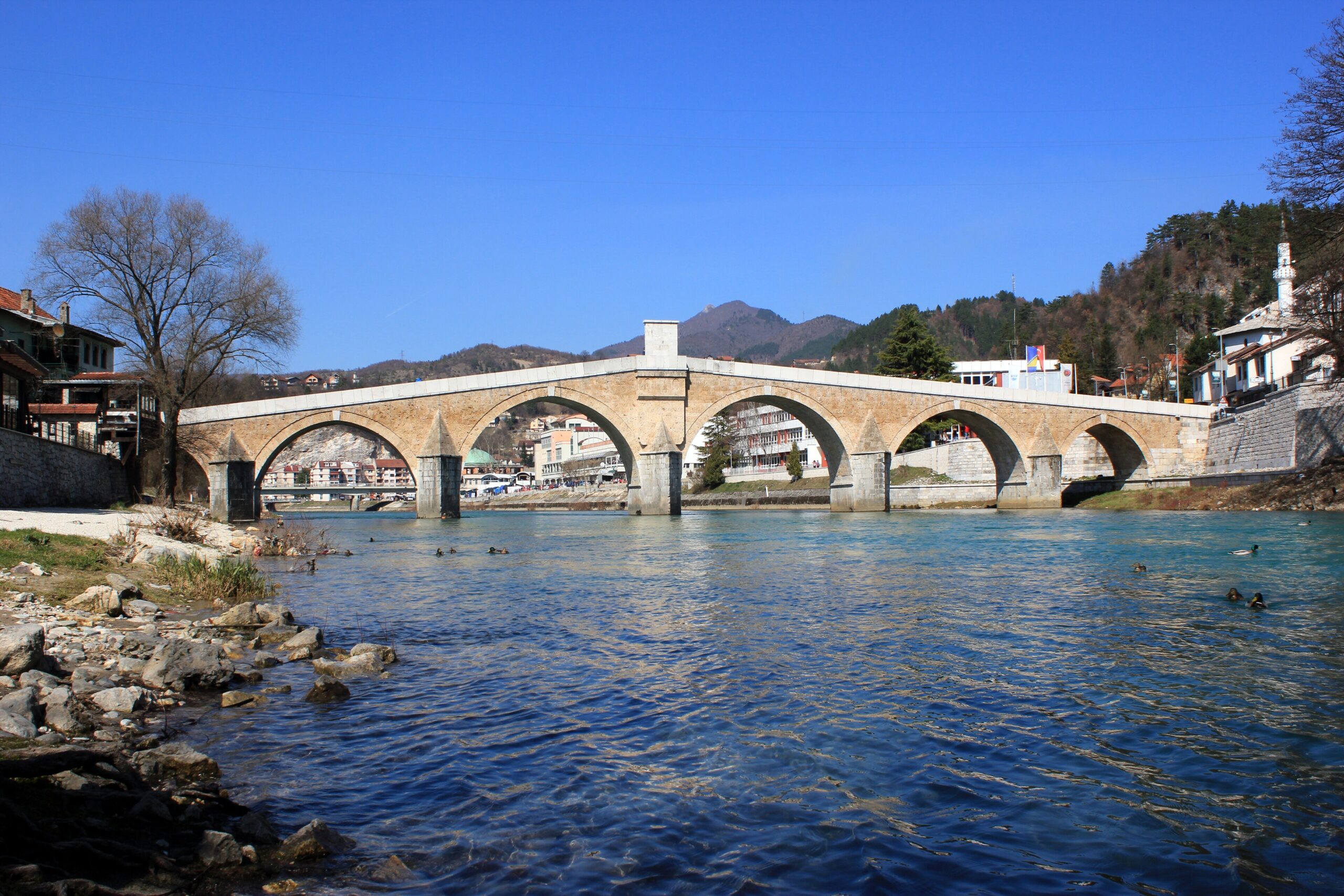
A Tito’s Bunker Konjic visit is one of Bosnia and Herzegovina’s most unusual historical experiences. Hidden near the town of Konjic, ARK D-0 was built as a protected command complex for Yugoslavia’s political and military leadership during the Cold War. It is not a palace, nor a Tito-themed museum in the usual sense. Instead, it offers a rare look at the infrastructure of a state preparing for the unthinkable.
Konjic makes the best base for the visit. The town sits on the Neretva River between Sarajevo and Mostar, with a compact historic centre and an appealing mountain-and-canyon setting. Allow time for the bunker itself, then explore the Old Bridge and local museum before continuing along the Sarajevo–Mostar route.
Continue planning with Things to Do in Mostar: The Best of Bosnia and Herzegovina's City of Bridges and Sarajevo: National Museum of Bosnia and Herzegovina, ICAR Canned Beef Monument and More to Explore.
Why ARK D-0 matters
ARK D-0 was created during the era of the Socialist Federal Republic of Yugoslavia, when the threat of nuclear conflict shaped military planning across Europe. Concealed in a hillside near Konjic, the complex was intended to protect Josip Broz Tito and senior political and military figures in a crisis.
Its secrecy was central to its purpose. From outside, the approach gives little sense of the extensive protected world inside. The bunker remained largely unknown to the public for decades, which makes its survival especially striking today.
The experience is compelling because it reveals the practical side of Cold War anxiety. You are not simply looking at propaganda posters or reading a timeline. You walk through a purpose-built underground environment designed to keep a government functioning under extreme conditions.
It also adds depth to a journey through Bosnia and Herzegovina. Sarajevo often tells the story of Yugoslavia’s later collapse, while Mostar reflects Ottoman heritage and post-war reconstruction. ARK D-0 offers a different chapter: the ambition, discipline and secrecy of socialist Yugoslavia at its height.
What you see inside Tito’s Bunker
Visits to ARK D-0 normally take place with a guide, and that structure suits the site. The bunker’s corridors, rooms and technical spaces make far more sense when someone explains their function and place within the wider complex.
Original rooms and Cold War systems
Expect a maze of enclosed passageways, offices, communications areas and accommodation spaces. Original furnishings and equipment help show how the complex was meant to support political decision-making, military coordination and daily life underground.
Some rooms feel almost ordinary: workspaces, sleeping quarters and meeting areas. Others make the bunker’s purpose unmistakable, especially the technical infrastructure that supported air, power, water and communications. This contrast is part of what makes the visit memorable.
ARK D-0 should be approached as a military and political survival complex, not as Tito’s private residence. Tito was among those the bunker was designed to protect, but the site’s real story is institutional. It was built for the continuity of Yugoslavia’s leadership in a national emergency.
A site with a layered legacy
The bunker also carries the weight of the Yugoslav People’s Army and the country that once maintained it. Visitors may have very different personal responses to Yugoslavia’s history. Some see a lost multinational state; others remember its authoritarian structures or the wars that followed its dissolution.
A thoughtful visit leaves room for that complexity. The bunker is impressive as an engineering achievement, but its purpose was grave. Take photographs where permitted, listen closely to your guide, and avoid treating the site as a Cold War film set.
How to arrange a guided visit
Access to ARK D-0 is controlled, so do not assume you can arrive and walk in. Arrange your visit in advance through the official site contact or a reputable local operator, particularly if the bunker is central to your route through Bosnia and Herzegovina.
Confirm the meeting point, identification requirements, language of the guiding, photography rules and the amount of time needed. These details can vary, and advance confirmation prevents a wasted journey from Sarajevo or Mostar.
Wear comfortable closed shoes and bring a light extra layer. Underground spaces can feel cooler than the surrounding countryside, even when the day outside is warm. The visit involves walking through corridors and rooms rather than strenuous hiking, but it is not an attraction for rushed sightseeing.
Allow enough time to absorb the place. ARK D-0 rewards visitors who slow down and consider the small details: old office layouts, signs, ventilation equipment and the careful separation of different functional areas.
Reaching Konjic from Sarajevo or Mostar
Konjic lies on the main north–south corridor between Sarajevo and Mostar. That makes it a sensible stop on a broader Bosnia and Herzegovina itinerary, whether you travel by road or use public transport connections.
From Sarajevo, the route leads south through increasingly dramatic mountain scenery. From Mostar, Konjic is a natural northbound stop before the landscape rises towards central Bosnia. Check transport arrangements for your specific travel date, especially if you plan to coordinate an arrival with a pre-arranged bunker tour.
For the greatest flexibility, travel by car or use a private transfer. This makes it easier to reach the bunker meeting point and still enjoy the town without watching the clock. It also allows time for scenic pauses along the Neretva River canyon.
The canyon is more than a pleasant backdrop. The Neretva corridor has long connected inland Bosnia with Herzegovina, which helps explain Konjic’s strategic position. Road and rail routes follow this powerful landscape, framed by steep slopes and clear river water.
A rewarding half-day in Konjic
After ARK D-0, return to central Konjic for a gentler historical perspective. The town is compact enough that its main cultural stops fit naturally around a bunker visit, provided your travel arrangements leave some breathing room.
Walk across Konjic Old Bridge
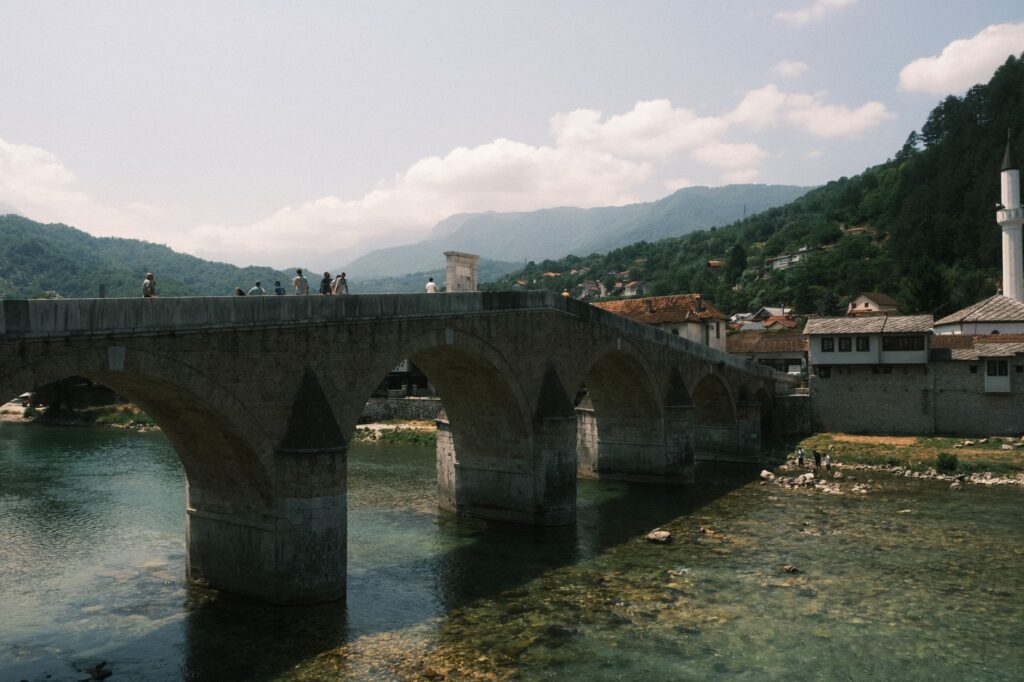
Konjic Old Bridge is the town’s defining landmark. The stone bridge crosses the Neretva in the old-town area, linking both sides of the river with elegant arches and mountain views.
The bridge was destroyed during the 1990s war and later rebuilt, so it carries both older Ottoman-era heritage and a modern story of recovery. Walking across it provides a welcome contrast with the enclosed world of ARK D-0. Here, Konjic feels open, lived-in and shaped by the river.
Pause on the riverside for views of the bridge and surrounding hills. It is a small stop, yet it anchors the town’s identity and gives a sense of why Konjic has long mattered as a crossing point.
Visit Zavičajni muzej Konjic
Zavičajni muzej Konjic, the local heritage museum, broadens the story beyond the Cold War. Its collections introduce the history, traditions and material culture of the Konjic area, helping visitors place the town within a much longer regional narrative.
This is a valuable companion to the bunker because the two sites operate at different scales. ARK D-0 tells of state power and military planning. The museum brings the focus back to local life, craft and the communities of the Neretva valley.
If time is limited, keep your Konjic plan simple: the bunker, the Old Bridge, a riverside walk and the museum. That combination gives you a coherent half-day rather than a hurried checklist.
Extending the route beyond Konjic
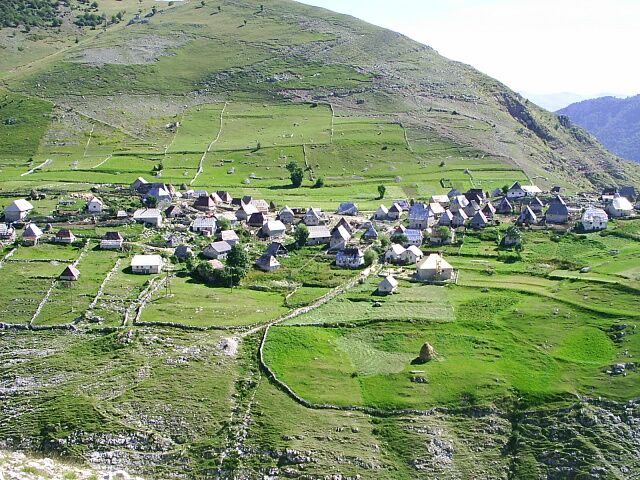
Travelers with extra time can use Konjic as a bridge between very different Bosnian landscapes. Lukomir, a traditional village in the Bjelašnica highlands, offers a strong contrast to the Neretva valley. It works best as a separate excursion, since mountain-road access is seasonal and the journey deserves more than a quick detour.
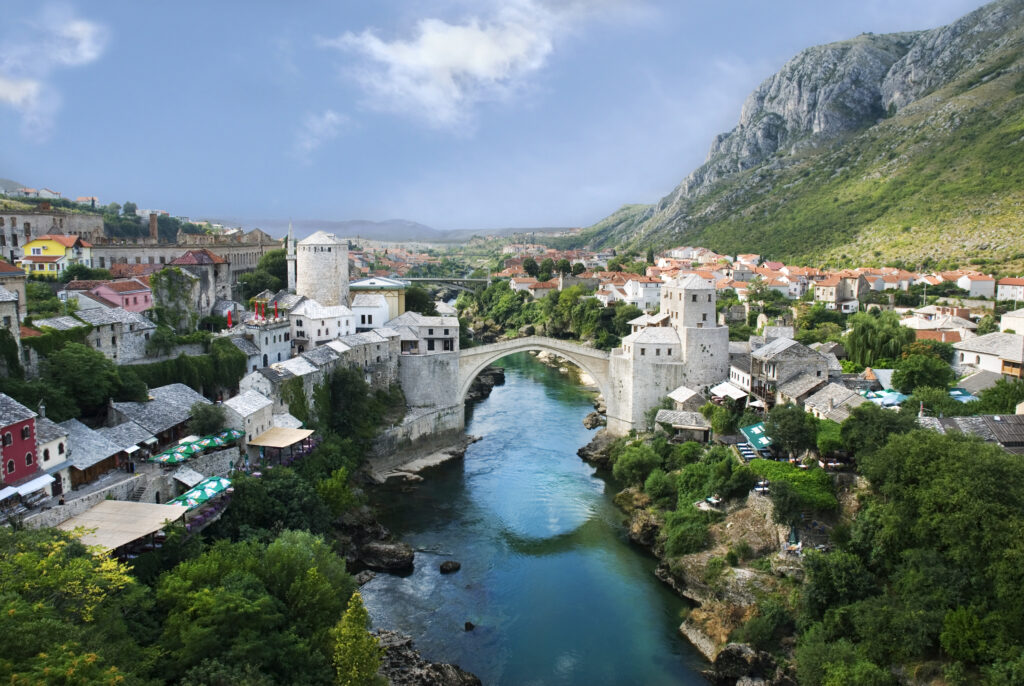
South of Konjic, Mostar is the obvious onward destination. Its UNESCO-listed old town and the celebrated Old Bridge present a different layer of history, rooted in Ottoman urban heritage and the rebuilding of a divided city. The route between Konjic and Mostar is scenic enough to feel like part of the experience.
For more ideas in the city, explore Things to Do in Mostar: The Best of Bosnia and Herzegovina’s City of Bridges. Travelers heading north can also connect Konjic with Sarajevo’s museums and twentieth-century history.
Make the visit meaningful
ARK D-0 is most powerful when viewed with curiosity rather than nostalgia. It reflects the confidence and fear of the Cold War, as well as the immense resources governments devoted to survival planning. Its preservation lets visitors encounter that history in physical form.
Plan ahead, use Konjic as your base, and leave time for the river and old town after the underground tour. The result is a balanced trip: a remarkable Cold War site, a historic Bosnian town, and one of the most scenic stretches of the country’s central travel route.