
Jajce Waterfalls, Fortress and Pliva Lakes: How to Plan a Rewarding Visit
Plan a memorable first visit to Jajce with a clear route linking its dramatic waterfall, medieval fortress, old town and peaceful Pliva Lakes.
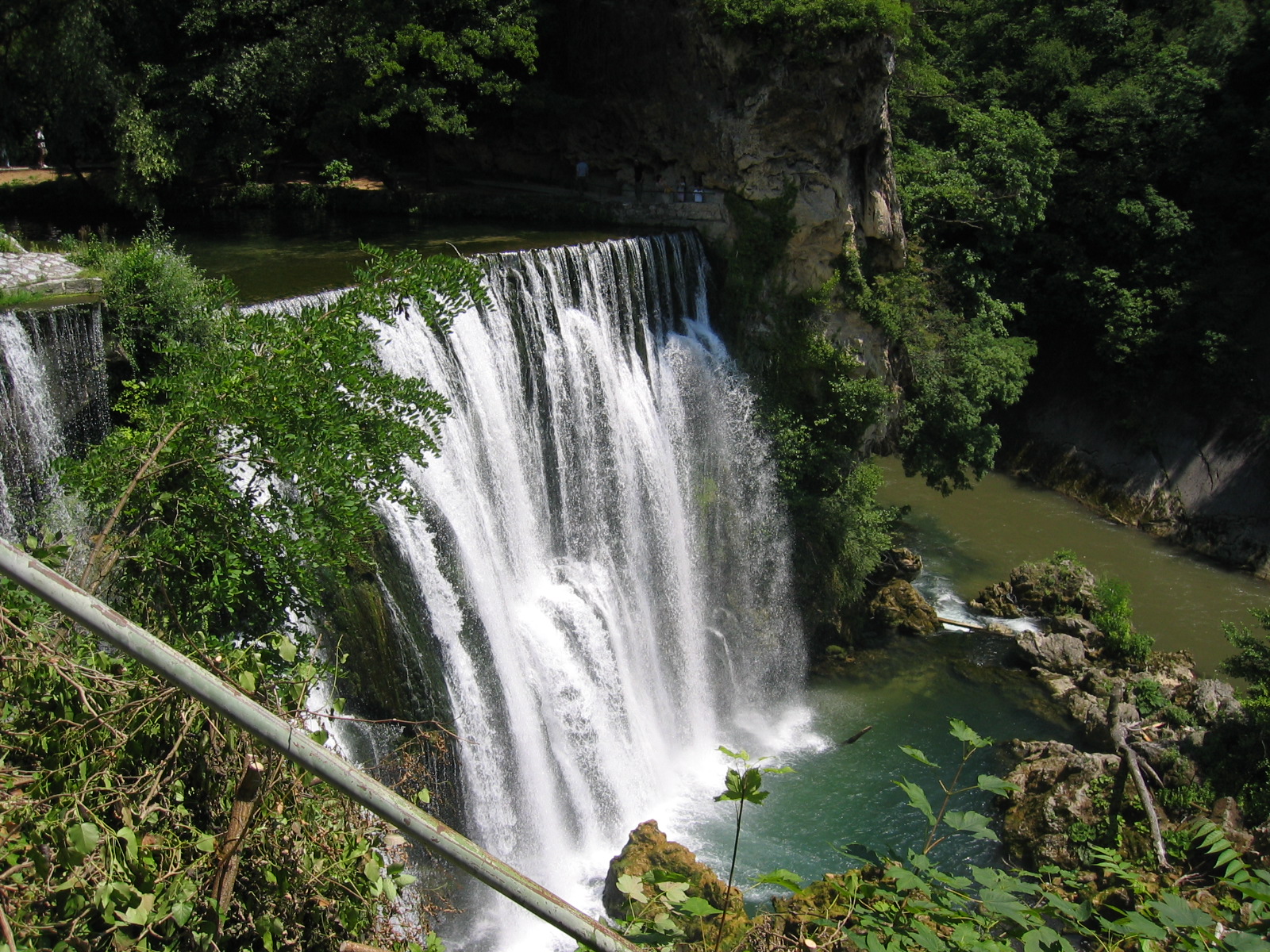
The Jajce waterfalls fortress Pliva Lakes route brings together some of Bosnia and Herzegovina’s most distinctive scenery in one compact area. Jajce is best explored as a connected landscape rather than a checklist of separate stops. The Pliva River runs from the lakes past old watermills, through the town, and over the famous waterfall where it meets the Vrbas River.
A few hours is enough for the waterfall and historic centre. However, a full day allows time for the fortress, quieter old-town monuments and the lakes west of town. The difference matters: the waterfall delivers immediate drama, while Pliva Lakes offer the slower, more relaxed side of Jajce.
Choose between a half-day and full-day visit
A half-day visit works well if Jajce is one stop on a wider Bosnian journey. Focus on Pliva Waterfall, then walk uphill through the old town to Jajce Fortress. Add the Catacombs of Jajce if access permits, and leave time to wander the lanes below the fortress.
For a fuller experience, allow a whole day and continue to Pliva Lakes. This adds a lakeside walk, the historic Mlinčići watermills and time to enjoy the calmer setting beyond the town. The lakes are not part of the old-town core, so treat them as a separate excursion rather than a quick detour.
A simple half-day route
- See Pliva Waterfall from the viewpoints below the old town.
- Walk through the historic centre towards the fortress.
- Visit the Catacombs and, if it suits your interests, the Temple of Mithras.
- Climb to Jajce Fortress for views over the town and valleys.
A rewarding full-day route
- Explore the waterfall and old town in the morning.
- Visit the fortress and key historic monuments.
- Travel west towards Large and Small Pliva Lake.
- Walk to the Mlinčići watermills between the lakes.
- Spend the later part of the day beside the water.
Begin with Pliva Waterfall
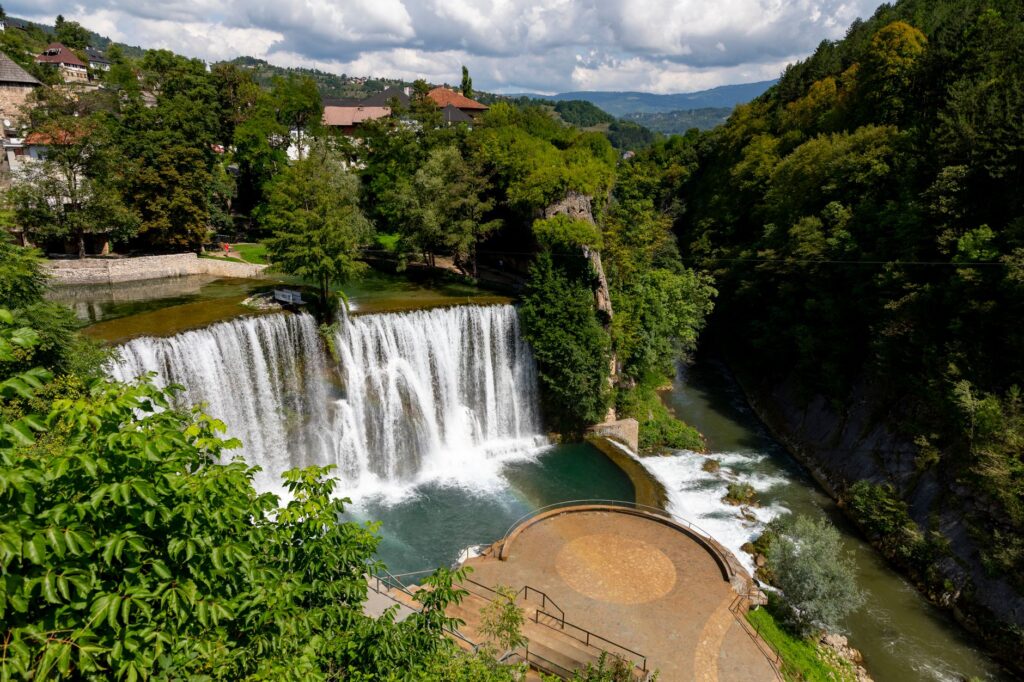
Pliva Waterfall is Jajce’s defining sight. Here, the Pliva River drops into the Vrbas River beneath the old town, creating an unusually dramatic urban setting. The surrounding slopes, stone buildings and fortress above give the scene far more character than a waterfall viewed in isolation.
The best approach is to see the falls from the viewpoints below the old town. From there, you can appreciate both the force of the water and the steep hillside that shaped Jajce’s historic layout. Water flow changes through the year, so the appearance of the falls can vary considerably between seasons.
Take care near the riverbanks and viewing areas. Stay on established paths and respect barriers, especially after wet weather. The waterfall is impressive from several angles, but a good photograph is never worth stepping onto unstable ground.
Climb through Jajce’s old town
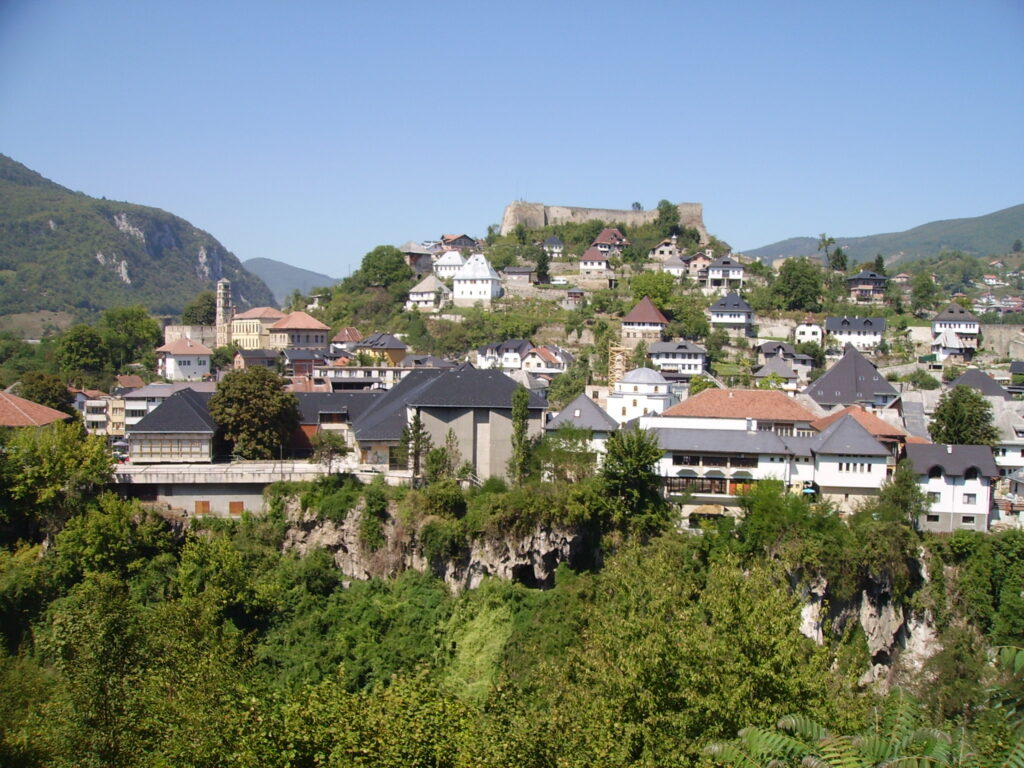
From the waterfall, the old town rises sharply uphill. The climb is part of the experience. Narrow streets, stone walls and changing views reveal why Jajce developed as a fortified medieval settlement.
Jajce Fortress and its wide views
Jajce Fortress stands at the top of the historic centre and forms the natural high point of a visit. It was once a royal stronghold in medieval Bosnia, and its position explains its importance immediately. From the upper area, the town’s roofs spread below, while the surrounding valleys show how closely Jajce is tied to its landscape.
The walk up from the waterfall is manageable for most active visitors, but it is steep in places. Wear shoes with grip, take your time, and be particularly careful on uneven stone surfaces. The reward is not only the view; it is also the sense of moving through the town’s historic structure rather than merely looking at it from below.
Catacombs of Jajce
Near the fortress route, the Catacombs of Jajce offer a striking contrast to the open viewpoints. This medieval rock-cut underground church is a brief stop, yet it adds real depth to the old-town circuit. Its carved interior feels intimate and unusual after the broad river views outside.
Access arrangements can change, so confirm locally if the catacombs are an essential part of your day. Even if you only see the surrounding old-town area, the site helps explain the religious and political importance Jajce once held.
Roman traces and later history
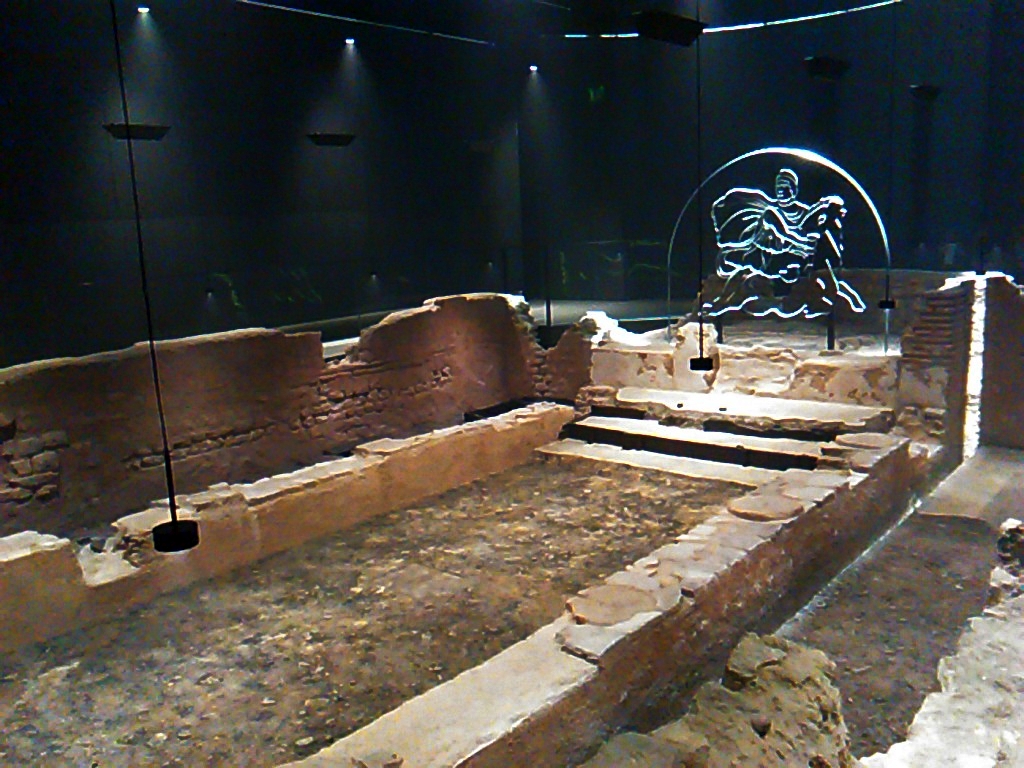
The Temple of Mithras is another short but worthwhile old-town stop for travellers interested in Jajce’s older layers. This small Roman-era sanctuary recalls a period long before the medieval fortress dominated the hill.
If you have more time, the AVNOJ Museum adds a very different chapter. It relates to the 1943 session of the Anti-Fascist Council for the National Liberation of Yugoslavia, held in Jajce during the Second World War. Together, these sites show that Jajce’s story extends well beyond its medieval walls.
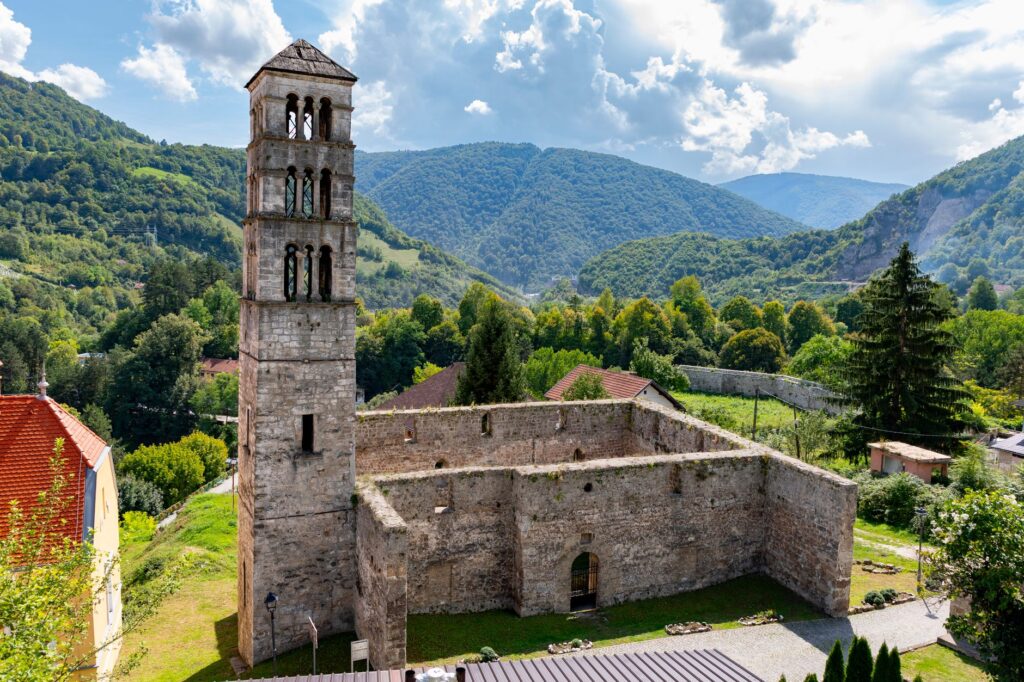
St. Mary’s Church and its bell tower can also fit naturally into a stroll through the old town. There is no need to rush every monument. Jajce works best when you leave space for its streets, slopes and changing views.
Continue west to Pliva Lakes
Pliva Lakes offer the essential second half of a Jajce visit. Large Pliva Lake and Small Pliva Lake lie west of town, where the Pliva River becomes a peaceful recreation corridor. After the vertical drama of the waterfall and fortress, the lakes feel broad, quiet and restorative.
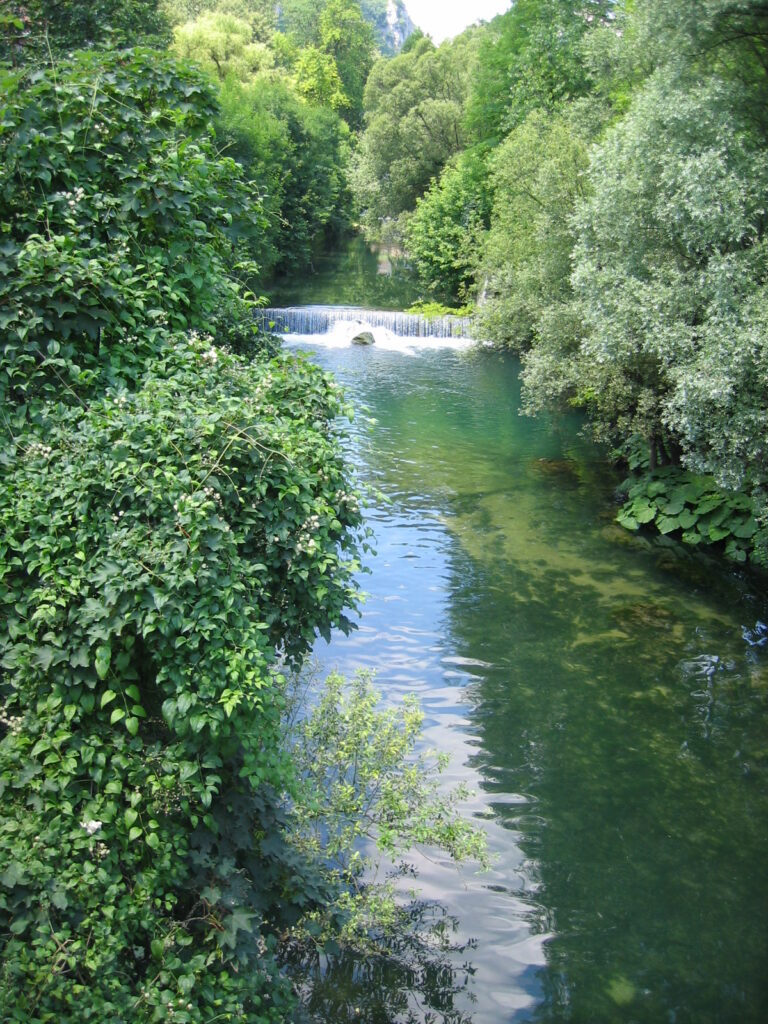
The contrast is the point. In town, the river is compressed by steep terrain before plunging into the Vrbas. At the lakes, the same water slows down, widening into a landscape made for walking, sitting beside the shore and taking in the wooded surroundings.
In warmer months, the lakes are associated with swimming and boating. Conditions vary with season and weather, so assess the water and follow local guidance before entering. Likewise, do not assume that boating facilities operate at every time of year.
Walking beside the Pliva River
The lakeside area is ideal for an unhurried walk. Following the Pliva River helps make sense of the entire Jajce route: water flows from the lakes, past the mills, through the town and finally over the waterfall. It is a simple geographical connection, but it gives the day a satisfying narrative.
A car makes the lakes easier to reach and gives you more flexibility. Without one, plan extra time for the journey and for getting between the lakeshore, mills and town. The old-town sights are walkable together; the lakes require more deliberate planning.
Do not miss the Mlinčići watermills
Between Large and Small Pliva Lake, the Mlinčići watermills are among the most memorable sights around Jajce. These small wooden mills sit beside channels of flowing water, creating a scene that feels both picturesque and deeply connected to local life.
The mills are historic reminders of a time when the river powered everyday work. Today, they make an excellent walking and photography stop, especially because they show a gentler side of the Pliva River than the waterfall does.
Allow time to explore slowly rather than treating the mills as a roadside photograph. The setting is the attraction: water moving through channels, wooden structures beside the banks, and the lakes close by. Use marked paths and avoid climbing on fragile historic features.
Swimming, boating and the best rhythm for the day
Jajce has a strong seasonal character. The old town and fortress can be rewarding throughout much of the year, while the lakes are most appealing when warmer conditions invite time outdoors. In summer, visitors often linger beside the water, swim where appropriate, or enjoy time on the lakes.
Spring can bring stronger waterfall flow, while autumn gives the landscape a quieter, more reflective mood. Whatever the season, build your route around the water rather than trying to force a packed schedule. The waterfall and fortress suit earlier exploration, while the lakes are especially enjoyable later in the day.
Bring water for the old-town climb, sun protection in warmer weather, and sturdy footwear for uneven streets and fortress approaches. A light layer is useful near the waterfall, where spray and shade can make the air feel cooler.
Getting around Jajce
Jajce’s central sights are close enough to explore on foot. The waterfall, old town, Catacombs, Temple of Mithras and fortress belong to one walkable circuit, although the terrain is steep. Base yourself in or near the centre if you want to make the most of that convenience.
Pliva Lakes sit west of the town and need separate transport planning. Driving is the simplest option, particularly if you want time for both lakes and the Mlinčići watermills. If you are relying on local transport or a taxi, allow flexibility rather than treating the lakes as a quick add-on.
The strongest Jajce visit follows the course of the Pliva River. See its power at the waterfall, understand the town from the fortress, then trace its calmer passage through the lakes and watermills. That route turns a short stop into a genuinely rounded experience of Jajce.