
Ptuj Castle and Old Town: A Half-Day Walking Route for First-Time Visitors
Explore Ptuj’s castle, medieval squares, Roman legacy and Drava riverfront on a relaxed half-day walk through Slovenia’s oldest town.
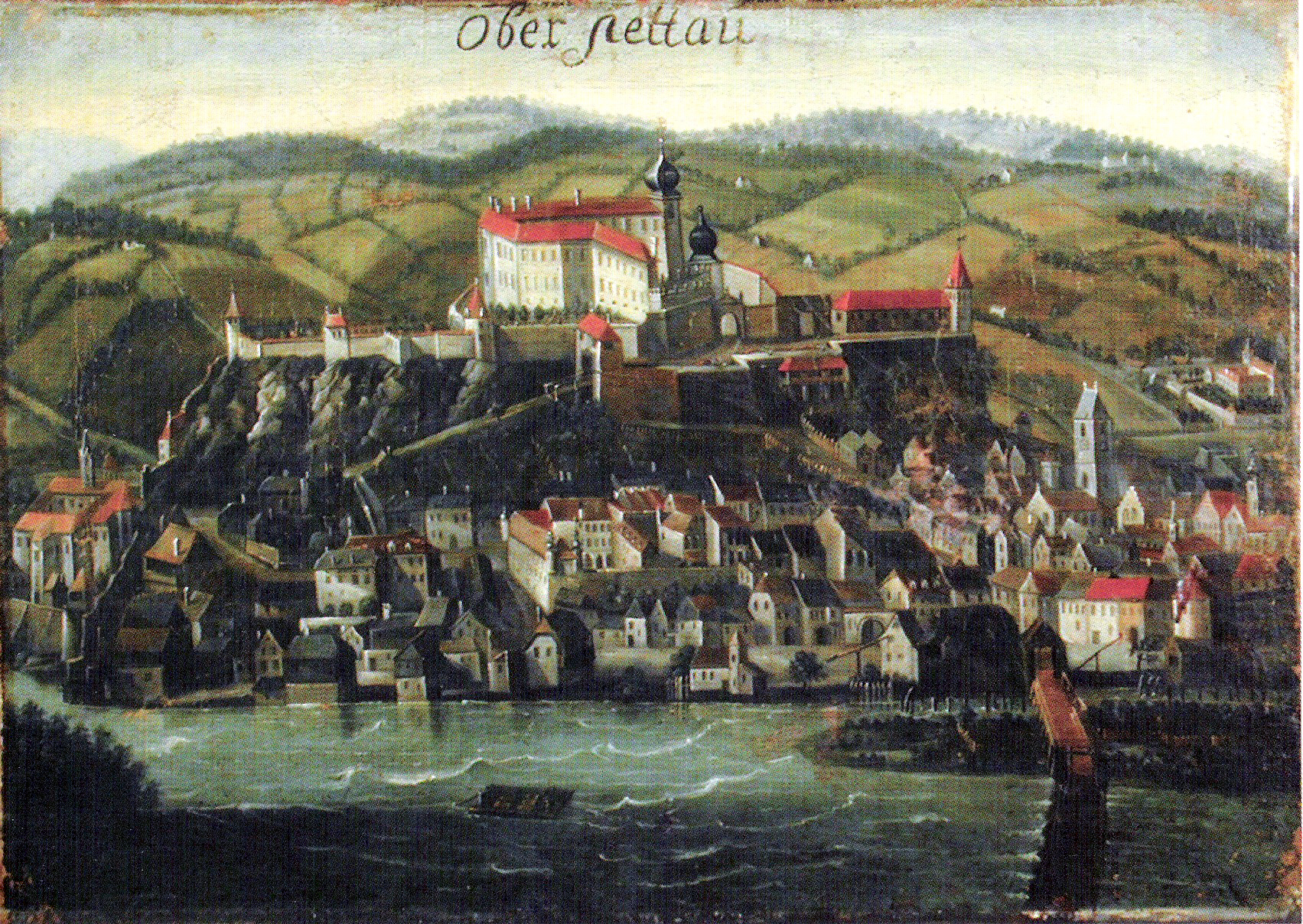
Ptuj Castle and Old Town make an excellent half-day destination for travellers who enjoy compact historic places with a strong sense of place. Slovenia’s oldest town rises gently from the Drava River, with a hilltop castle above a web of medieval lanes, elegant squares and church towers. This route follows that natural shape: climb first, then wander downhill through the centre before ending beside the water.
Ptuj is not a city of grand distances or packed landmark-hopping. Its appeal lies in the layers. Roman Poetovio once stood here as an important settlement on imperial routes. Medieval merchants, religious orders and noble families then shaped the town beneath the castle. Today, the Drava still gives the whole scene a calm, open horizon.
Why Ptuj deserves a place on your Slovenia itinerary
Ptuj feels more intimate than Slovenia’s larger historic cities, yet it has a remarkably rich past. The Roman settlement of Poetovio was one of the region’s significant urban centres, and traces of that era remain scattered around the modern town. Its later medieval and Baroque character is easier to see at first glance, especially in the old town’s façades, squares and religious buildings.
The castle is the key to understanding the city. From its hill, you can see how Ptuj developed between the slopes and the Drava River. The view also explains why this position mattered for centuries: the river valley opens out below, while the old town gathers around the foot of the hill.
A half-day is enough for the essential walk if you focus on the castle, the main squares and the riverside. Visitors with a strong interest in Roman history, museums, wine or long café stops should allow more time.
The route at a glance
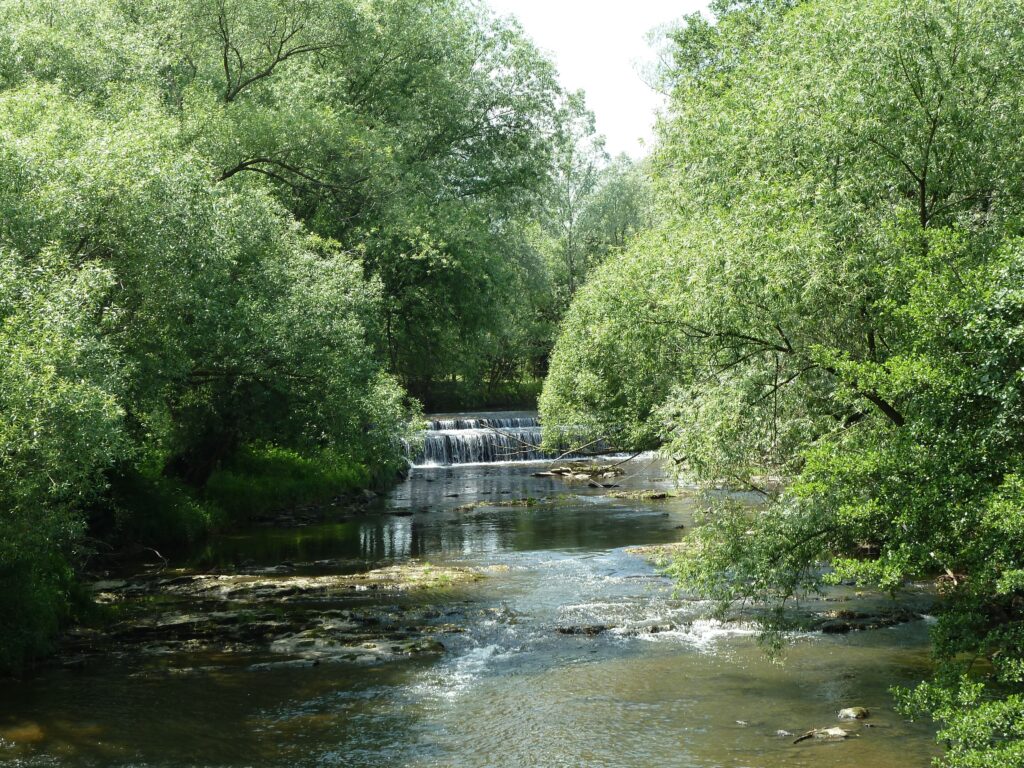
Begin at Ptuj Castle while your energy is fresh. The approach includes a noticeable uphill section, but the reward is immediate: broad views over tiled roofs, church spires and the Drava landscape. Give the castle enough time, then descend into the old town for Slovenski trg, Mestni trg and the City Tower.
From the centre, you can make a short detour to one of Ptuj’s monastic complexes or seek out a Roman site. Finish at the Drava embankment rather than returning uphill. It is a gentler final stretch and offers the best perspective back towards the castle.
- First stop: Ptuj Castle and its museum collections
- Middle section: Slovenski trg, Mestni trg and the City Tower
- Optional detour: a monastery complex or Mithraic Shrine III
- Final stop: the Drava River embankment and castle views
Begin above town at Ptuj Castle
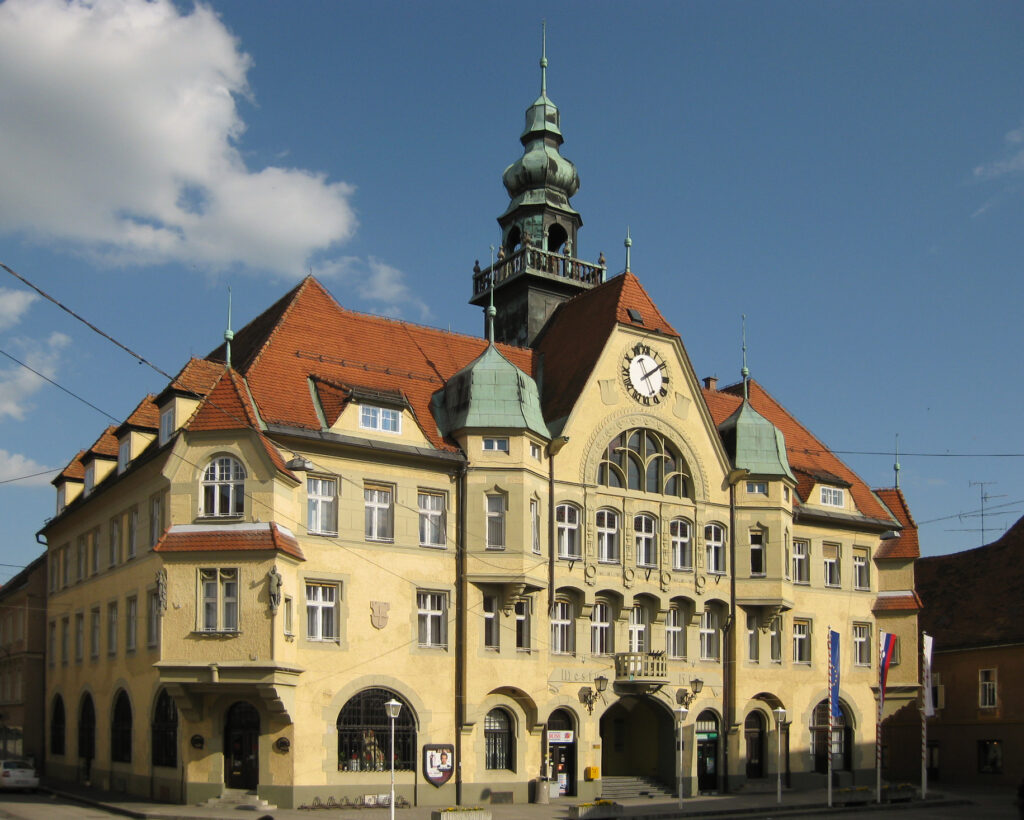
Ptuj Castle is the natural starting point because it sets the scene for everything below. The building occupies a commanding hilltop position above the historic core. Its silhouette has become Ptuj’s defining image, and the terraces offer wide views across the town, river and surrounding lowland landscape.
The castle’s appearance reflects centuries of change rather than one single architectural moment. Defensive medieval origins sit beneath later residential and decorative additions. That evolution makes it feel less like a remote fortress and more like a place shaped by the families and institutions that held power in Ptuj.
Allow time for the museum collections
The castle houses collections of the Ptuj Ormož Regional Museum, so it should not be treated as a quick photo stop. The interiors add depth to the townscape outside, with displays connected to local history, art, furnishings and regional traditions.
For many visitors, the most memorable material concerns the Kurent. These shaggy, mask-wearing figures are central to the carnival heritage of Ptuj and the wider region. Their bells, animal skins, horns and expressive masks have a striking presence even when no carnival festivities are taking place. Seeing them in the castle gives context to a tradition that can otherwise seem mysterious to first-time visitors.
Kurent heritage is closely associated with Ptuj, but it is best understood here as a living cultural tradition rather than a guaranteed spectacle. The display offers a worthwhile introduction at any time of year.
The view that makes the climb worthwhile
Before leaving the castle grounds, look down towards the old town’s dense roofs and church spires. Slovenski trg sits below as one of the centre’s main civic spaces, while the Drava draws a broad line beyond the buildings. This is the view that ties the walking route together.
Check museum and interior access before your visit, particularly if the castle collections are a priority. Even without a long museum stay, the hilltop setting remains essential to the Ptuj experience.
Descend into Ptuj Old Town
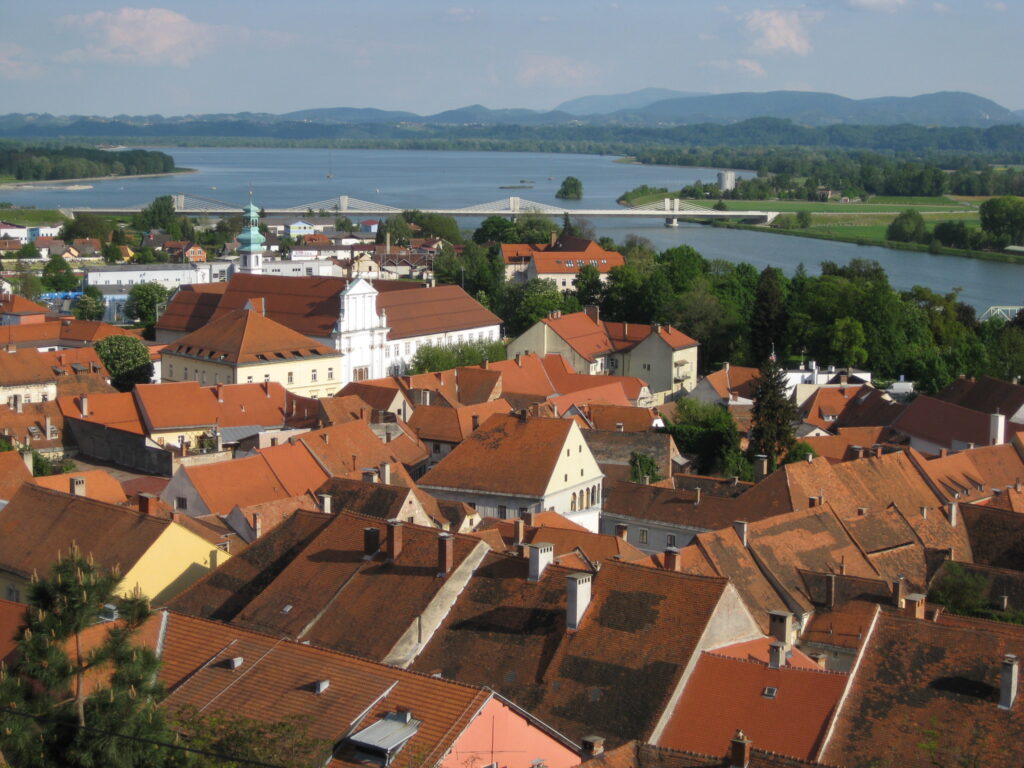
The walk downhill leads into a compact centre that rewards slow wandering. Ptuj Old Town is not large, so leave room for side streets, painted façades and quiet corners between the headline sights. Its atmosphere comes from the relationship between the squares rather than from a single monumental avenue.
Slovenski trg and the Orpheus Monument
Slovenski trg is the grand central square and a useful point of orientation. It opens towards the castle hill, which creates one of Ptuj’s classic visual connections: civic life below, the former seat of power above. The Town Hall is one of the square’s important landmarks, reinforcing its long role as the town’s public heart.
Look out for the Orpheus Monument, a large Roman funerary monument that stands prominently in the square. Its presence is a vivid reminder that Ptuj’s story did not begin in the Middle Ages. The monument links the pleasant café-and-promenade character of modern Ptuj with ancient Poetovio.
Take a few moments here rather than simply passing through. Slovenski trg is a good place to notice the mix of medieval structure and later Baroque refinement that defines the old town.
Mestni trg and the City Tower
Continue towards Mestni trg, another important square in the historic core. The route between the two spaces is short, but it shows Ptuj at its best: narrow streets opening unexpectedly into formal public areas, with façades that reveal centuries of rebuilding and adaptation.
Ptuj City Tower is one of the town’s most recognisable vertical landmarks. Attached to St George’s Church, it has a Gothic core and remains an important part of the skyline beneath the castle. It is easy to spot from several points in the centre, making it a useful visual guide as you explore.
St George’s Church and the tower add a more solemn note to the lively squares nearby. Together, they show why Ptuj works so well on foot. Major landmarks are close enough to connect naturally, yet each has its own architectural personality.
If you want a pause, the old town has cafés and small independent stops that suit an unhurried break. There is no need to turn the walk into a checklist. Ptuj is at its most rewarding when you leave time to absorb the details between the principal sights.
A monastery or Roman detour
Once you have seen the central squares, choose a detour based on your interests. Ptuj’s religious heritage is substantial, while its Roman legacy reaches beyond the most obvious monuments in the core.
For medieval architecture: Dominican and Minorite heritage
The Dominican Monastery is a strong choice for travellers drawn to historic architecture and quieter spaces. Founded in the medieval period, the complex has the substantial presence you would expect from a major monastic institution. Its cloistered character creates a contrast with the open civic squares nearby, and it has also served as a cultural venue.
The Minorite Monastery of St Peter and St Paul offers another important strand of Ptuj’s religious history. Near the centre, its church and monastery complex reflect the enduring role of the Minorite order in the town. Even a brief exterior stop helps reveal how closely Ptuj’s medieval identity was tied to its religious communities.
For Roman history: Mithraic Shrine III
Travellers especially interested in ancient history can seek out Mithraic Shrine III. Mithraism was a Roman mystery cult, and Ptuj’s surviving shrines point to Poetovio’s diverse population and military importance. The reliefs associated with Mithras offer a more specialised but fascinating counterpoint to the medieval streets and castle above.
This is a short detour from the core rather than an essential stop for every first-time visitor. Roman remains are dispersed, so history-focused visitors may wish to spend longer tracing the ancient city beyond this half-day route.
End beside the Drava River
From the old town, continue towards the Drava River for a quieter finish. The riverside embankment shifts the mood completely. After enclosed streets and steep castle slopes, the river brings open sky, long views and a clearer sense of the landscape around Ptuj.
The walking path along the embankment is ideal for looking back towards the castle hill. From here, the castle appears less like an isolated monument and more like the high point of a carefully layered town. The view is especially satisfying after you have walked down from its gates through the old centre.
Lake Ptuj lies further along the Drava landscape and can appeal to visitors with more time for a longer waterside outing. For a focused half-day, however, the riverfront itself provides a fitting conclusion without stretching the route too far.
Planning your half-day in Ptuj
A comfortable visit works best when you give the castle the largest share of your time. Its setting and museum collections are central to Ptuj, not an optional extra. After that, the descent through Slovenski trg, Mestni trg and the church quarter can be as relaxed or direct as you prefer.
Wear shoes suitable for cobbled streets and the uphill approach to the castle. The old town is compact, but its slope is part of the experience. Those who prefer a gentler visit can still focus on the centre and riverfront, although they would miss Ptuj’s defining viewpoint.
If you have extra time, a visit to the Ptuj Wine Cellar can add another dimension to the town’s relationship with the surrounding wine-growing region. The city market is another optional stop for travellers who enjoy everyday local life and seasonal produce. Neither is necessary for the core route, but both can suit a slower stay.
Ptuj rewards a simple plan: take in the castle, follow the streets downhill, pause in the squares and finish beside the Drava. By the end of the walk, the town’s Roman foundations, medieval core and living cultural traditions begin to feel like parts of one coherent landscape.
Recommended hotels in Ptuj
A smaller selection of better-rated hotels with established review history and Agoda booking links.

Selection favors established hotels with stronger ratings, review volume and usable imagery. Final rates and availability are shown by Agoda.